



After Colon Polyp Removal: What Determines Your Next Colonoscopy?
A patient-focused guide explaining how pathology findings, polyp characteristics, examination quality and personal risk influence the timing of surveillance colonoscopy. Helps readers understand their follow-up recommendation and the questions to discuss with their gastroenterologist.
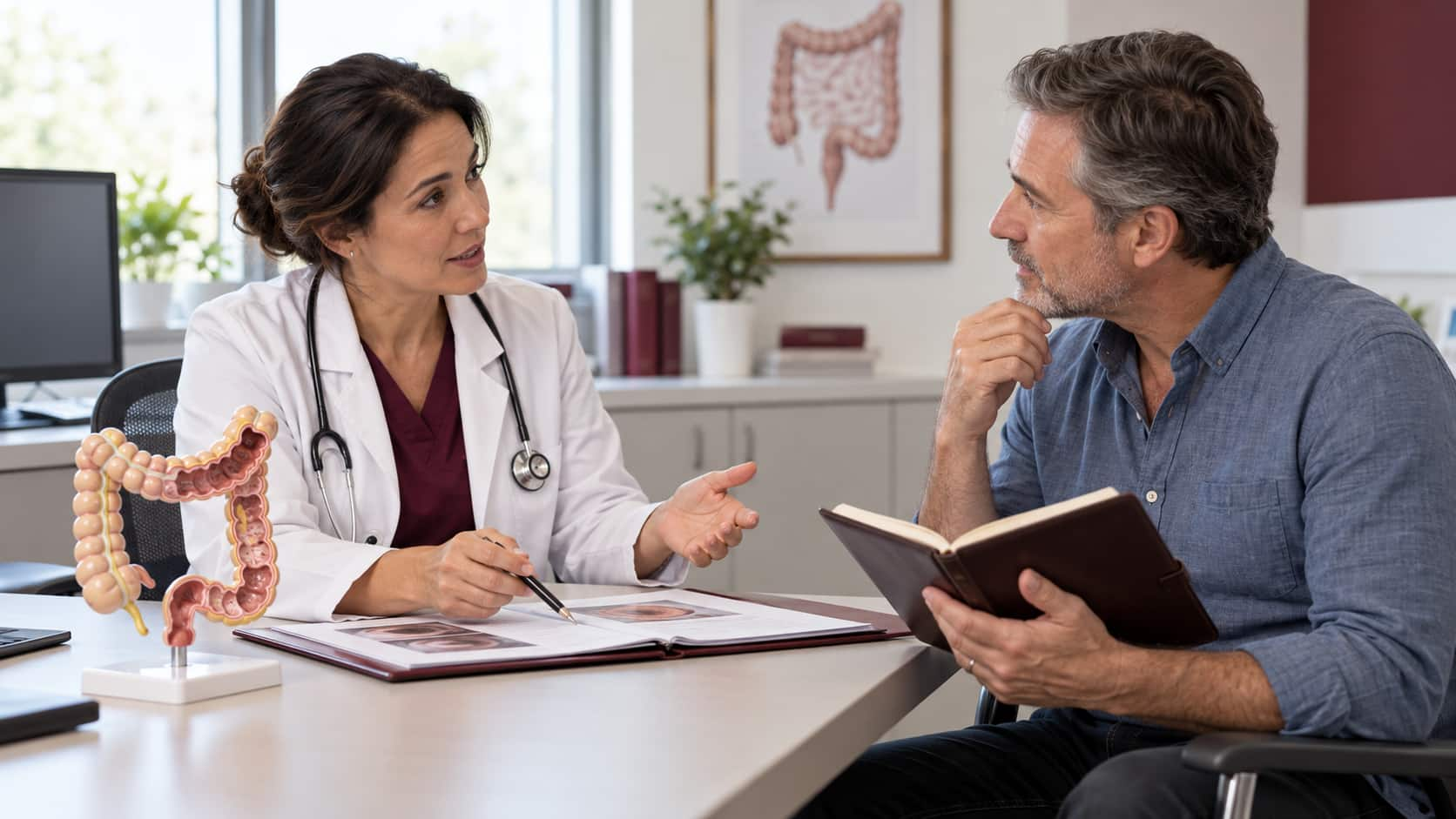
Having a colon polyp removed is an important preventive step, but the follow-up schedule can vary considerably. Your next colonoscopy after polyp removal depends on what the laboratory finds, how many polyps were present, their size, and whether the examination and removal were complete.
Some people can wait several years, while others need an earlier check of the removal site. The recommendation given immediately after the procedure may change when the tissue report becomes available. Understanding the reason for your recommended interval helps you plan ahead and avoid uncertainty about when to return.
Why Is Another Colonoscopy Needed After Colon Polyp Removal?
Removing a polyp treats that particular growth, but new polyps can develop later. Follow-up examinations allow doctors to look for further changes and remove relevant growths before they cause problems. Because most polyps do not produce symptoms, feeling well cannot confirm that the colon remains free of them.
The purpose of follow-up also affects its timing. A routine surveillance examination looks for future polyps, whereas an early site check assesses the area where a larger growth was removed. Ask which type of appointment you need, especially if the proposed date is only a few months away.
How Do Polyp Type and Pathology Results Affect Your Next Colonoscopy?
The tissue examination provides information that cannot always be established from a polyp’s appearance during colonoscopy. A pathologist identifies its microscopic features and checks for abnormal cellular changes or cancer. Your polyp pathology results therefore help your gastroenterologist explain the findings and decide what should happen next.
Keep a copy of both the laboratory report and the colonoscopy report. They describe different parts of the same assessment, so one document may not explain the entire recommendation. If the initial discharge letter gives a provisional follow-up date, ask whether it has been confirmed after the tissue results.
How Do Adenomas and Serrated Polyps Affect Colonoscopy Follow-Up?
Adenomas and sessile serrated lesions are polyp types that can act as precursors to colorectal cancer. Small hyperplastic polyps, particularly in the rectum or sigmoid colon, generally have a different risk profile. The exact diagnosis matters: the word serrated alone does not describe every lesion’s risk or establish its follow-up schedule.
Does Dysplasia Change Your Colonoscopy Surveillance Interval?
Dysplasia describes abnormal cells and does not by itself mean invasive cancer. High-grade dysplasia in an adenoma, or dysplasia within a sessile serrated lesion, can support closer surveillance. The final plan also depends on complete removal; invasive cancer requires a separate assessment rather than routine application of standard polyp follow-up intervals.
How Do Polyp Size and Number Affect Your Follow-Up Schedule?
Size and number help doctors assess the significance of the findings. An adenoma measuring 10 millimetres or more can meet a threshold for closer surveillance, even when it is the only adenoma removed. Several small adenomas may also lead to a different recommendation from a single small growth.
These details need to be considered together with the tissue diagnosis. Having one large polyp and having several small polyps are different situations, even if both result in an earlier appointment. Ask your doctor to identify the particular finding that determined your interval, rather than relying on the total number alone.
Can Incomplete Polyp Removal or Poor Bowel Preparation Mean an Earlier Colonoscopy?
A reliable long-term follow-up recommendation requires a sufficiently clear view of the bowel. Residual stool can hide abnormalities, and an examination that does not assess the entire colon may leave areas unchecked. When preparation is inadequate for assigning a standard screening or surveillance interval, repeat colonoscopy is generally recommended within 12 months, sometimes sooner.
Uncertainty about complete polyp removal can also require earlier reassessment or further treatment. An early appointment may therefore reflect the need to complete the original evaluation. Ask whether the concern relates to bowel preparation, examination completeness, or the removal site, because each calls for a different explanation and plan.
When Is an Early Site Check Needed After Piecemeal Polyp Removal?
Piecemeal removal means taking a polyp out in several pieces. After this approach is used for a lesion measuring at least 20 millimetres, European guidance recommends an early repeat examination at three to six months. The aim is to detect remaining or recurrent tissue at the scar; further follow-up depends on those findings.
What Follow-Up Intervals Might Be Recommended After Polyp Removal?
The examples below reflect U.S. Multi-Society Task Force recommendations for selected findings in otherwise average-risk adults. They assume a high-quality, complete examination and confident removal. They do not replace an individual plan for someone with colorectal cancer, an inherited syndrome, inflammatory bowel disease, or a relevant family history.
Recommendations also differ between healthcare systems. European guidance returns some people with completely removed, small, low-risk polyps to routine screening rather than dedicated colonoscopy surveillance. If your recommended date differs from an example below, ask which guideline and clinical findings explain the decision before changing the appointment.
Finding After Complete Removal
Example Follow-Up Interval
One or two tubular adenomas smaller than 10 mm
7–10 years
Three or four tubular adenomas smaller than 10 mm
3–5 years
Five to ten tubular adenomas smaller than 10 mm
3 years
An adenoma at least 10 mm, or an adenoma with high-grade dysplasia
3 years
One or two sessile serrated lesions smaller than 10 mm without dysplasia
5–10 years
A sessile serrated lesion at least 10 mm or with dysplasia
3 years
These example intervals apply under the conditions described above.
How Do Previous Polyps, Family History and Overall Health Change Your Follow-Up Plan?
Bring earlier colonoscopy and tissue reports to the discussion, because follow-up can depend on findings across more than one examination. A strong family history of colorectal cancer, a suspected inherited condition, or numerous polyps may require assessment outside the usual average-risk pathway. Family history does not automatically mean that every interval must be shortened.
Overall health also affects whether continued surveillance offers sufficient benefit. In older adults or people with serious medical conditions, the potential benefit needs to be weighed against preparation, sedation and procedural risks. Decisions about continuing or stopping surveillance should be individual, with a clear explanation that takes the patient’s preferences into account.
What Should You Ask Your Gastroenterologist About Your Next Colonoscopy?
Start by asking which finding determined the recommended date and whether the tissue results are final. Confirm that the entire colon was examined, preparation was adequate, and all relevant polyps were completely removed. If an early appointment is planned, clarify whether it is a scar check, further treatment, or a repeat examination of the bowel.
Request a written recommendation with a clear due date and instructions for arranging the appointment. Keep it with your reports, particularly if you may change hospitals or receive care abroad. Also establish who will contact you about results and whom to call if the date passes without a booking or reminder.
Which New Symptoms Should You Report Before Your Scheduled Colonoscopy?
Contact your clinician promptly if you develop rectal bleeding, blood in your stool, or unexplained iron-deficiency anaemia. Persistent changes in bowel habits or unexplained weight loss also deserve assessment. These symptoms can have several causes, but a future surveillance appointment should not delay investigation of a new concern.
After the removal procedure itself, severe or worsening abdominal pain, fever, ongoing bleeding, dizziness or marked weakness require urgent medical attention. Heavy bleeding or fainting warrants emergency assessment. Follow your discharge instructions and tell the treating team when the procedure took place, because complications can appear after you have returned home.