

Breast Reconstruction After Mastectomy: Immediate or Delayed?
This article compares immediate and delayed breast reconstruction, explaining how cancer treatment, overall health, reconstruction method and personal preferences influence timing. It addresses recovery considerations and staged approaches, helping readers prepare for a discussion with their surgical and oncology teams.
Deciding when to rebuild the breast can feel like another major decision during an already demanding time. For people considering breast reconstruction after mastectomy, surgery may begin during breast removal or take place later. Neither approach is right for everyone: the choice depends on cancer treatment, healing, the proposed technique and what feels manageable for you.
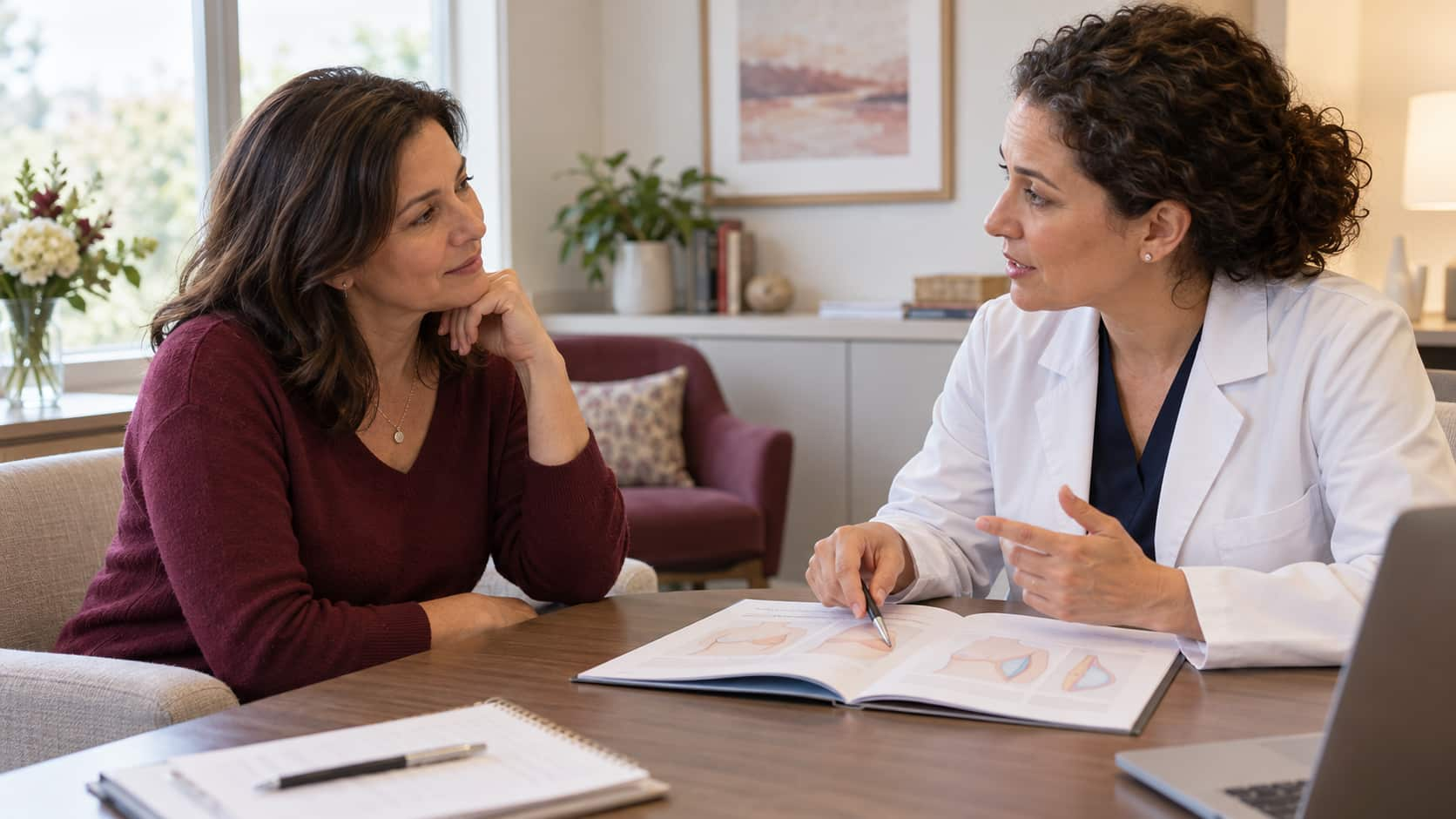
A discussion about immediate vs delayed breast reconstruction is most useful before mastectomy, even if you expect to wait. Your breast surgeon, plastic surgeon and oncology team can explain which options are medically suitable. Reconstruction is optional, and choosing a flat closure or an external breast form is also valid.
What Is the Difference Between Immediate and Delayed Reconstruction?
With the immediate approach, reconstruction starts during the same operation as mastectomy. The plastic surgeon may place an implant, insert a temporary tissue expander or rebuild the breast using your own tissue. Starting immediately does not necessarily mean finishing immediately; additional procedures may be needed to complete or refine the result.
With the delayed approach, rebuilding starts in a separate operation after the chest has healed, often after chemotherapy or radiation when these are needed. The interval can be months or years. Waiting provides time to consider your preferences, although changes in the skin and scar tissue can influence which techniques remain suitable.
Who May Be Suitable for Immediate or Delayed Reconstruction?
Suitability depends on more than whether you would prefer one operation or separate stages. Surgeons assess your general health, the type of mastectomy, blood supply to the remaining skin and the likely need for further cancer treatment. Previous surgery, smoking, diabetes and other conditions can affect healing and influence the recommendation.
Personal circumstances also deserve attention. You may want to begin restoring breast shape immediately, or you may prefer to concentrate on cancer treatment before considering another procedure. Recovery support, work responsibilities and emotional readiness belong in the discussion. An early consultation can clarify your choices without requiring you to commit to reconstruction.
When May Immediate Breast Reconstruction Be Considered?
This approach may be considered when the cancer treatment plan allows it, the remaining skin has an adequate blood supply and your health supports the proposed operation. It can preserve breast skin and avoid a period without a breast mound. However, the initial operation is longer than mastectomy alone, and further stages may still be necessary.
When May Delayed Breast Reconstruction Be Preferred?
Waiting may be preferred when radiation is planned, wound healing is a concern or a health condition needs attention before further surgery. It may also suit someone who wants more time to decide. A recommendation to wait should include an explanation of how treatment and healing could affect the available reconstructive options.
How Do Radiation Therapy and Chemotherapy Affect Breast Reconstruction Timing?
Radiation can change the elasticity and blood supply of chest tissues and may affect the appearance or healing of a reconstructed breast. With implants, it can increase the risk of tightening scar tissue, called capsular contracture. These concerns may favour waiting or using a staged approach, but planned radiation does not automatically rule out starting reconstruction during mastectomy.
Chemotherapy also requires coordination, although having chemotherapy does not automatically prevent reconstruction. Surgery should be planned to avoid unnecessary disruption to cancer treatment. Infection or an unhealed wound can affect when treatment starts, while surgery after chemotherapy requires assessment of recovery and blood counts. The oncology and surgical teams should agree on the sequence rather than treating reconstruction as a separate timetable.
How Long After Mastectomy or Radiation Can Delayed Reconstruction Be Performed?
There is no single waiting period that applies to everyone after mastectomy. Your team needs to assess wound healing, any remaining cancer treatment and whether your health supports another operation. Someone who has completed treatment may be ready sooner than someone with ongoing wound problems. Reconstruction can also remain an option years after breast removal.
After radiation, surgeons commonly allow several months for tissue recovery; a period of around six to twelve months is often discussed. Some patients need longer if the chest remains inflamed, tight or poorly healed. Reaching a particular date does not establish readiness on its own: an examination and review of your treatment history guide the decision.
How Does Choosing Implants or Your Own Tissue Affect Reconstruction Timing?
Implant reconstruction may involve placing the implant during mastectomy or first inserting an expander that is gradually filled before a later exchange operation. The condition and amount of remaining skin help determine which approach is suitable. Previous or planned radiation can make implant reconstruction more complicated and should be considered before committing to that pathway.
Reconstruction using your own tissue, also called flap reconstruction, can be immediate or delayed. When radiation is needed, your team may recommend transferring the tissue afterwards to avoid irradiating the completed reconstruction. Flap surgery usually involves a longer operation and recovery than implant surgery because another body area also needs to heal. Neither method determines the timing by itself.
What Is Delayed-Immediate Breast Reconstruction, and When Is It Considered?
A delayed-immediate approach combines an initial procedure during mastectomy with definitive reconstruction later. Typically, a temporary tissue expander is placed to help maintain the breast skin and space. The team then uses the final pathology results and treatment plan to decide when and how to complete reconstruction, which may involve an implant or your own tissue.
This option may be discussed when the need for radiation is uncertain or when definitive reconstruction is better postponed. It involves additional appointments and surgery, and the expander can still develop complications, including during radiation. It is therefore a treatment strategy with specific tradeoffs, rather than a way to remove all the risks associated with either timing choice.
How Do Recovery, Complication Risks and Additional Operations Compare?
Starting reconstruction during mastectomy combines the first stages into one operation, but it usually means a longer initial procedure and recovery than breast removal alone. Waiting separates those recovery periods and requires another operation later. In either case, the reconstructive technique, your health and any complications are more useful guides to recovery than the timing label alone.
Both pathways carry risks such as infection, bleeding and wound healing problems. Implants and flaps also have their own potential complications. Additional procedures may be needed to exchange an expander, improve symmetry or refine breast shape, regardless of when reconstruction begins. Ask for an estimate of the whole treatment course, including planned stages and possible unplanned surgery.
What Should You Ask Your Care Team Before Choosing Reconstruction Timing?
Ask which timing options are suitable for your cancer treatment and why your team recommends one over another. Clarify how likely radiation is, what happens if that recommendation changes after surgery and whether an expander would preserve useful options. Understanding the reasons behind the proposed sequence makes it easier to weigh the benefits against the practical demands.
Discuss expected hospital stays, time away from work, help needed at home and the possibility of further operations. You can also ask what appearance and sensation are realistically achievable, and whether waiting could change the available techniques. Request a plan that explains who coordinates each stage and when your preferences can be reviewed as treatment progresses.