
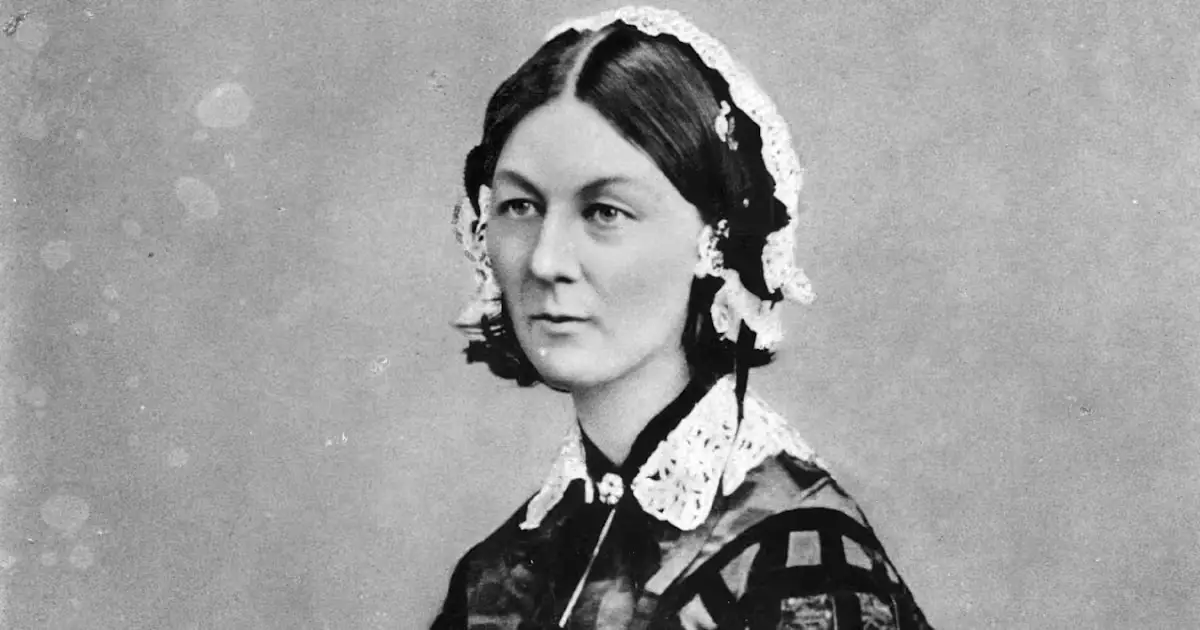
Early Life and Nursing Education
Born on 12 May 1820 in Florence, Italy, Nightingale was named after her birthplace. She grew up in England, where her family lived at Embley Park in Hampshire. Her father educated her, encouraging an interest in mathematics.
Despite her family’s initial opposition, she pursued nursing and completed training in Germany in 1851. In 1853, she became superintendent of an institution for sick gentlewomen in Harley Street, London.
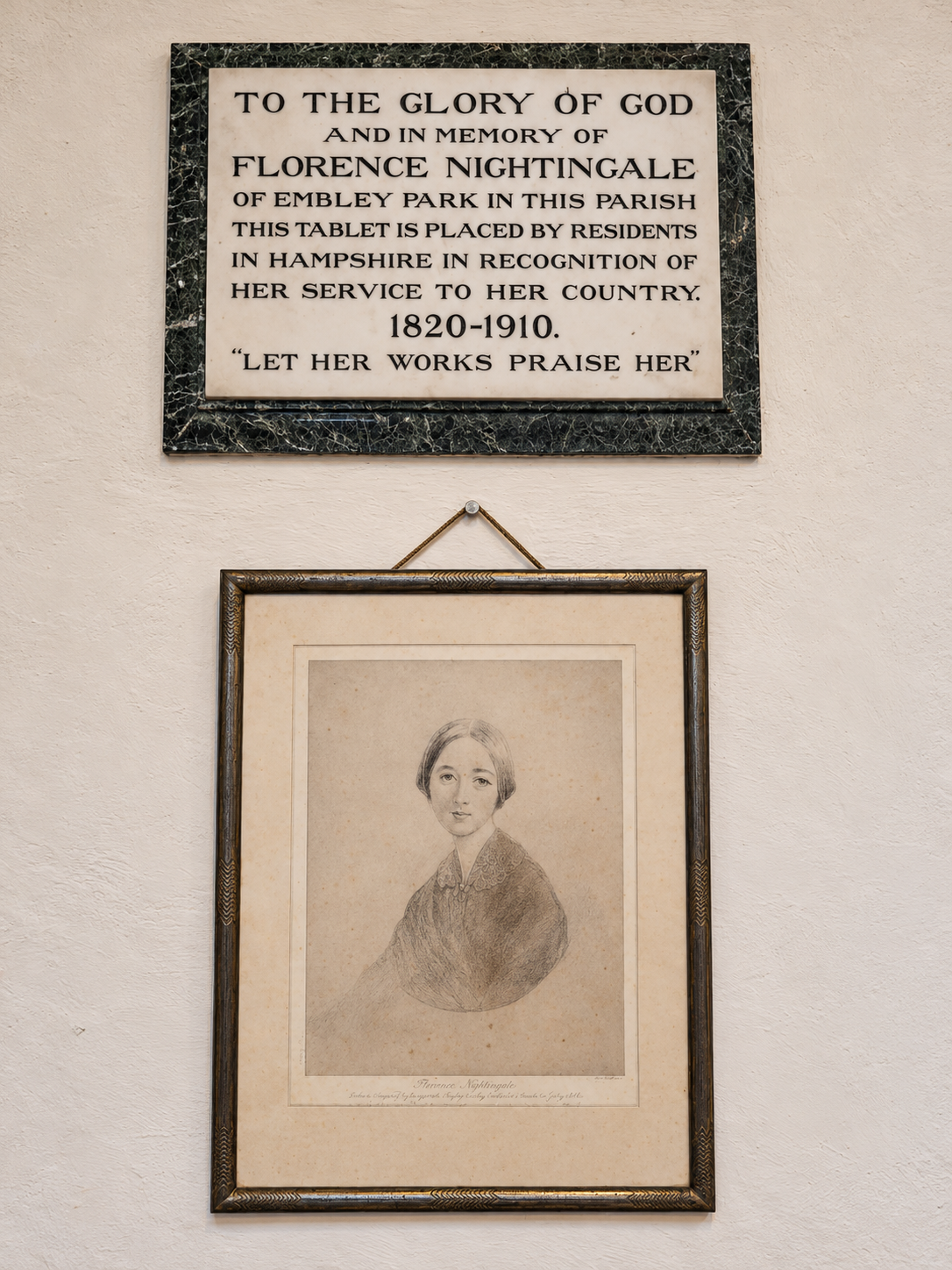
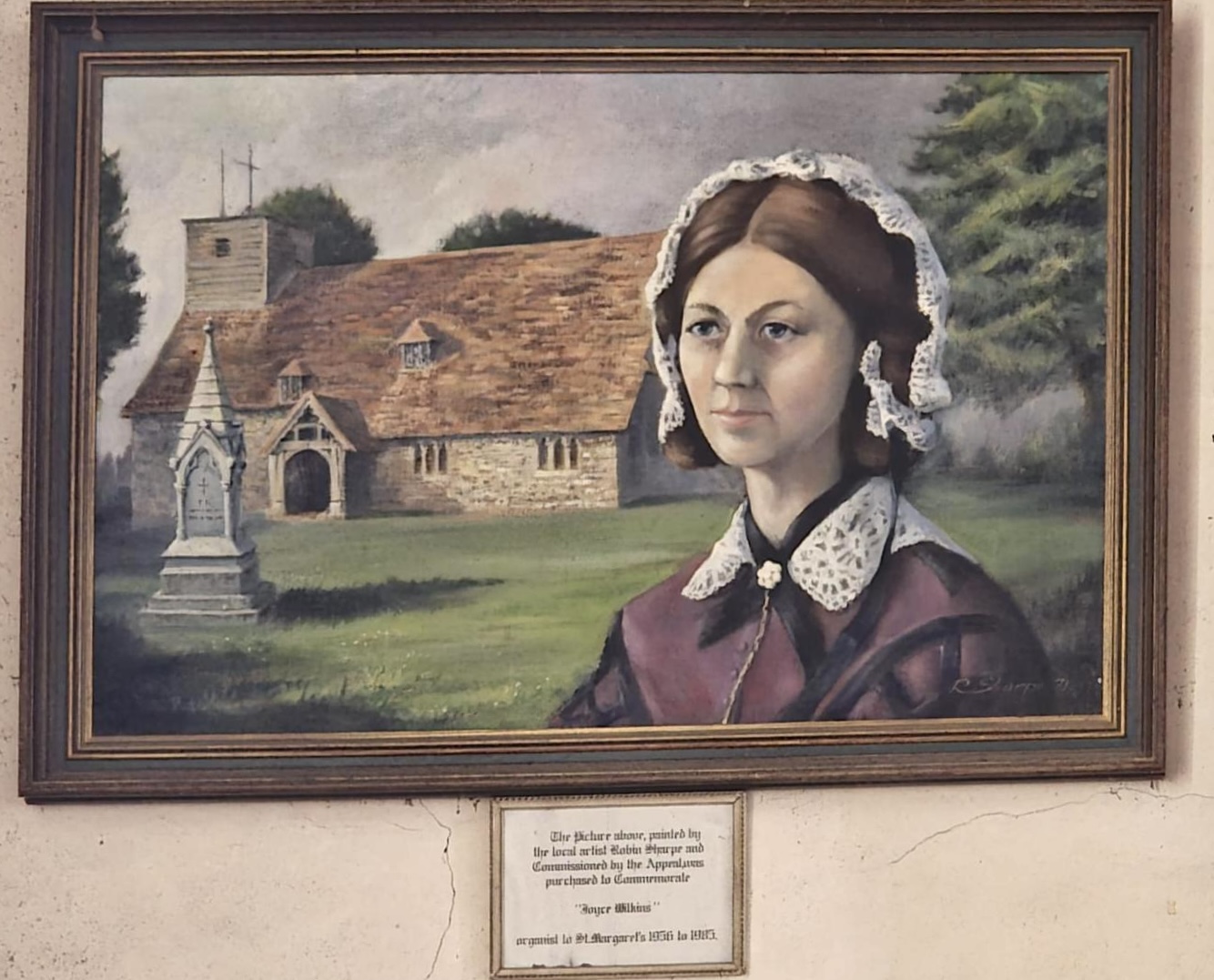
From Mr. Ersin Sirer’s collection.
Florence Nightingale and the Crimean War
In 1854, Nightingale led 38 nurses to Scutari, now Üsküdar in Istanbul, to care for British soldiers. The military hospitals were overcrowded and lacked essential supplies. Her team organised nursing care, improved food provision, washed clothing and bedding, and helped patients communicate with their families.
Her nighttime rounds earned her the name “Lady with the Lamp.” Nursing care improved patients’ comfort, while the Sanitary Commission’s repairs to sewers and ventilation were crucial to reducing deaths. These contributions should be understood together.
Establishing Professional Nursing Education
In 1860, Nightingale established the Nightingale Training School at St Thomas’ Hospital in London. Structured teaching and practical experience helped make nursing a trained profession. Its graduates took this approach to other hospitals and schools, and today’s Florence Nightingale Faculty at King’s College London traces its origins to the school.
The Nightingale Pledge was written in 1893 by Lystra Gretter and a committee in honour of Florence Nightingale; it was not written by Nightingale herself. About the Nightingale Pledge
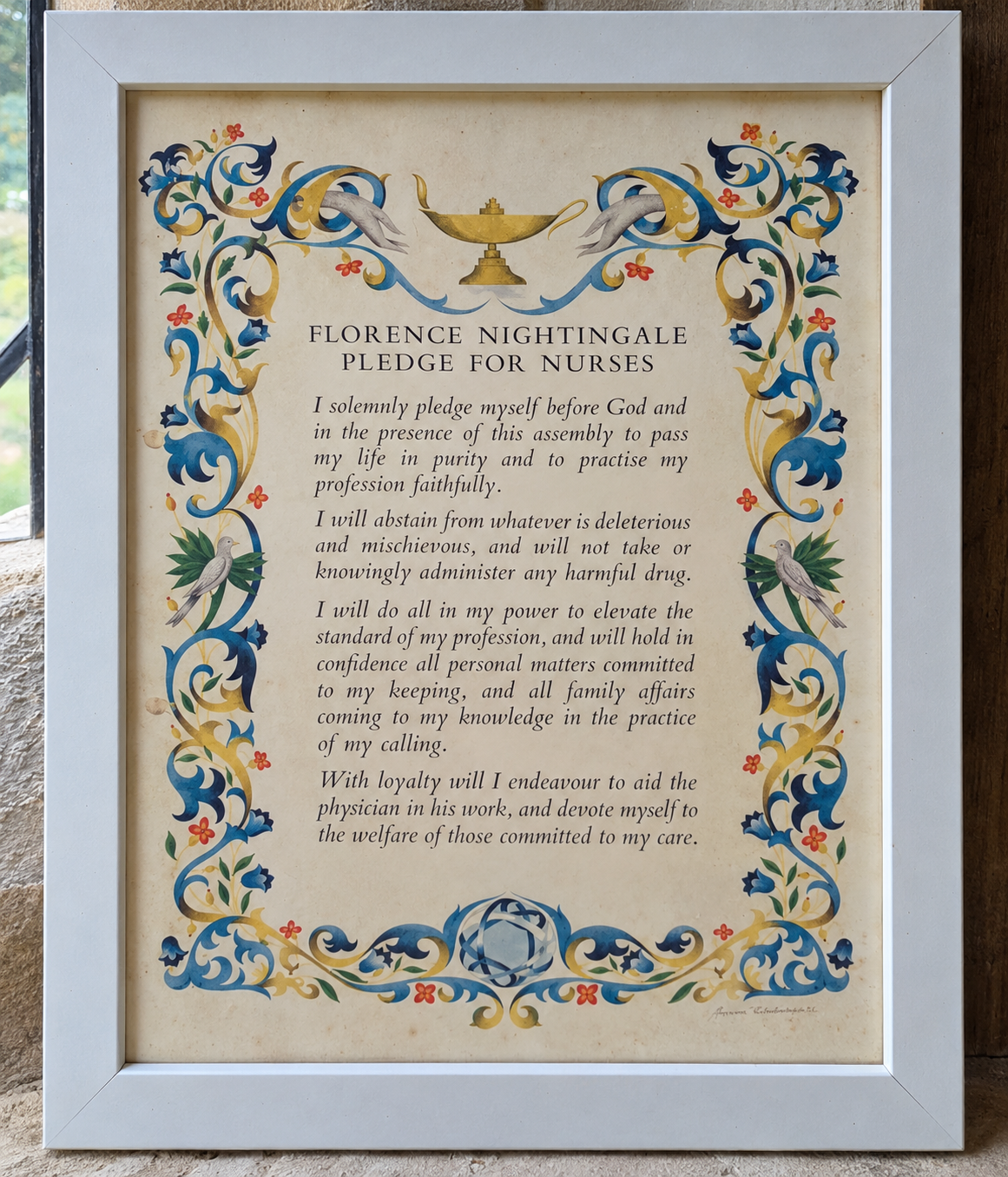
From Mr. Ersin Sirer’s collection.
Improving Hospital Conditions and Patient Care
Nightingale promoted clean surroundings, ventilation, appropriate nutrition and thoughtful ward design. Her work drew attention to the everyday conditions that influence recovery and to the importance of organised nursing care.
Using Statistics to Support Healthcare Reform
By analysing mortality records and presenting findings in clear diagrams, including polar area charts, Nightingale showed how preventable disease contributed to wartime deaths. She used this evidence to argue for healthcare reform. In 1858, she became the first female member of the society now known as the Royal Statistical Society.
Notes on Nursing
First published in 1859, Notes on Nursing: What It Is, and What It Is Not set out principles of care and healthy surroundings. Written for people looking after others, it helped bring her ideas beyond hospital wards.
Later Life and Lasting Legacy
Nightingale continued writing and campaigning for healthcare reform despite prolonged illness. In 1907, she became the first woman to receive the Order of Merit. She died on 13 August 1910, aged 90, and was buried in the churchyard of St Margaret’s Church in East Wellow, Hampshire.
Her birthday, 12 May, is celebrated as International Nurses Day. Her legacy brings together compassionate care, professional education, careful observation and evidence.
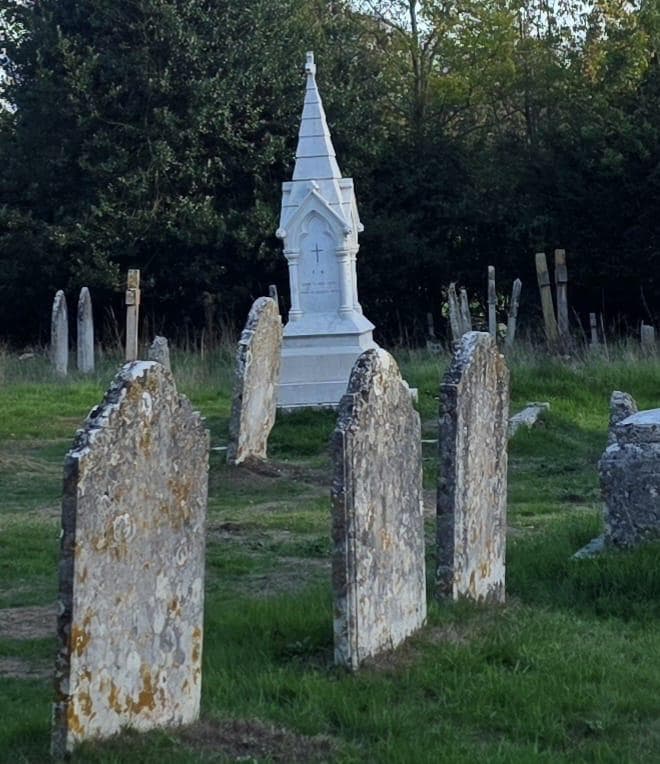
The Nightingale family memorial at St Margaret’s Church, East Wellow.
From Mr. Ersin Sirer’s collection.
Remembering Florence Nightingale in East Wellow
Select a photograph to view it at full size in a new tab.
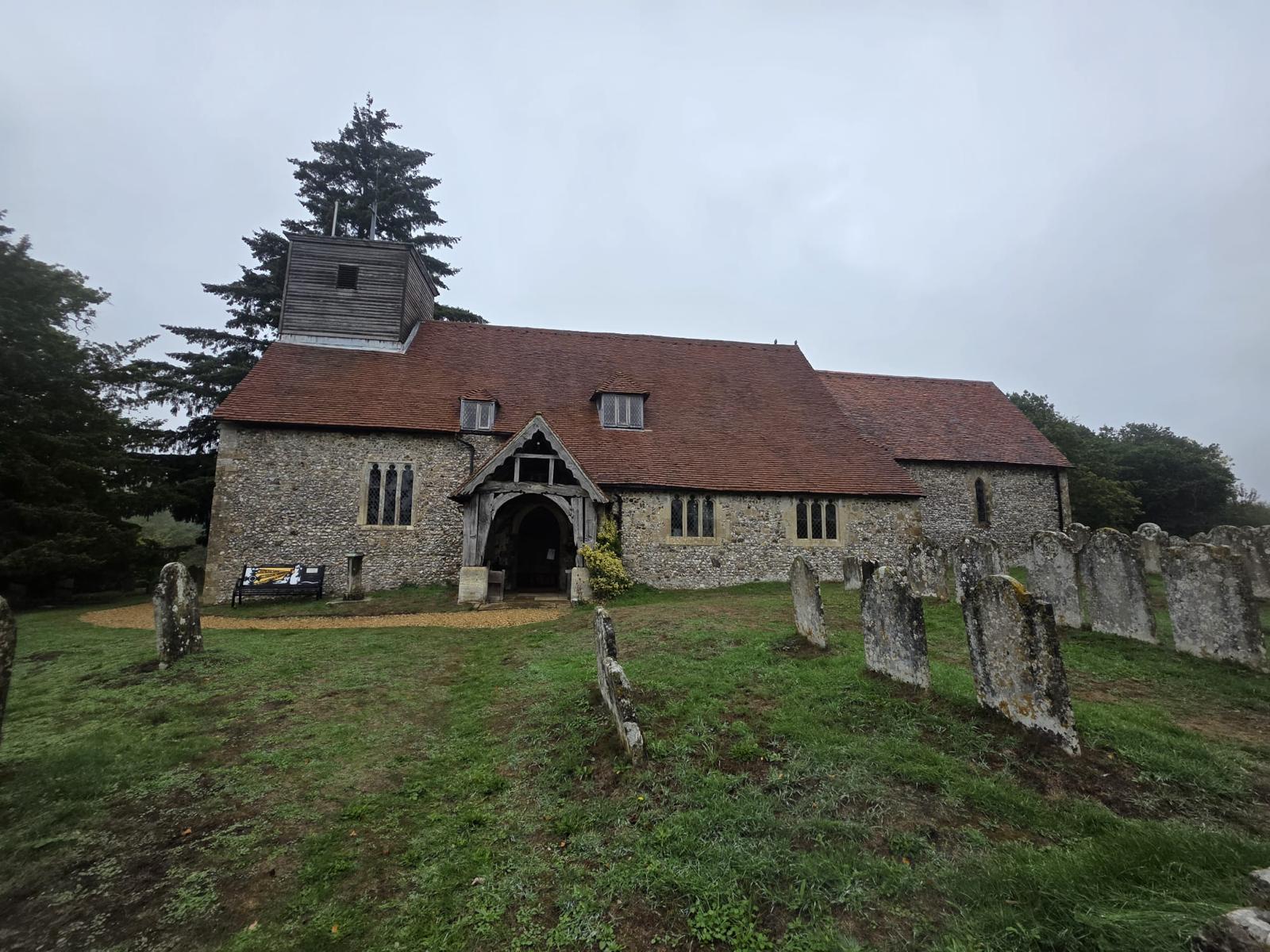
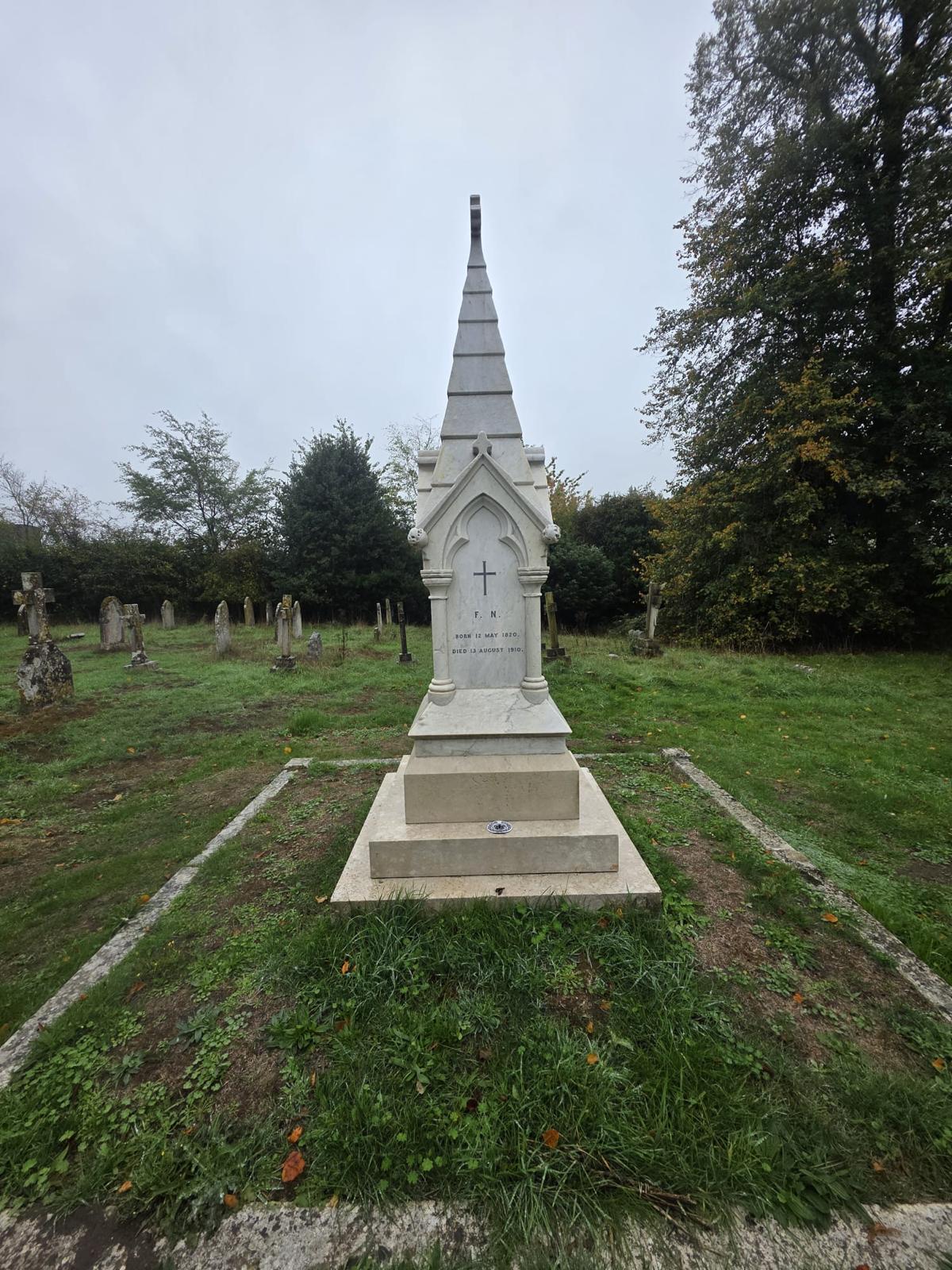
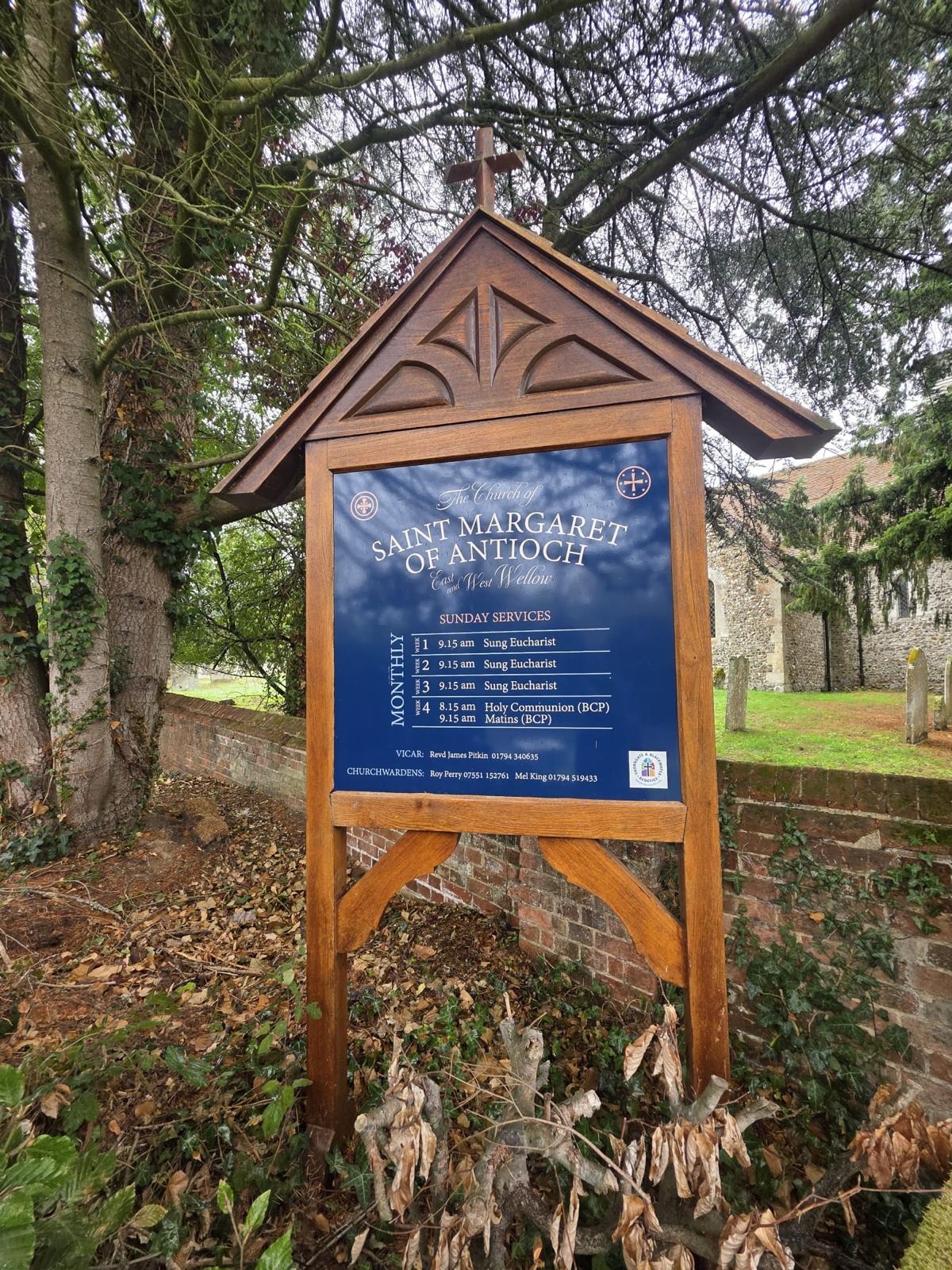
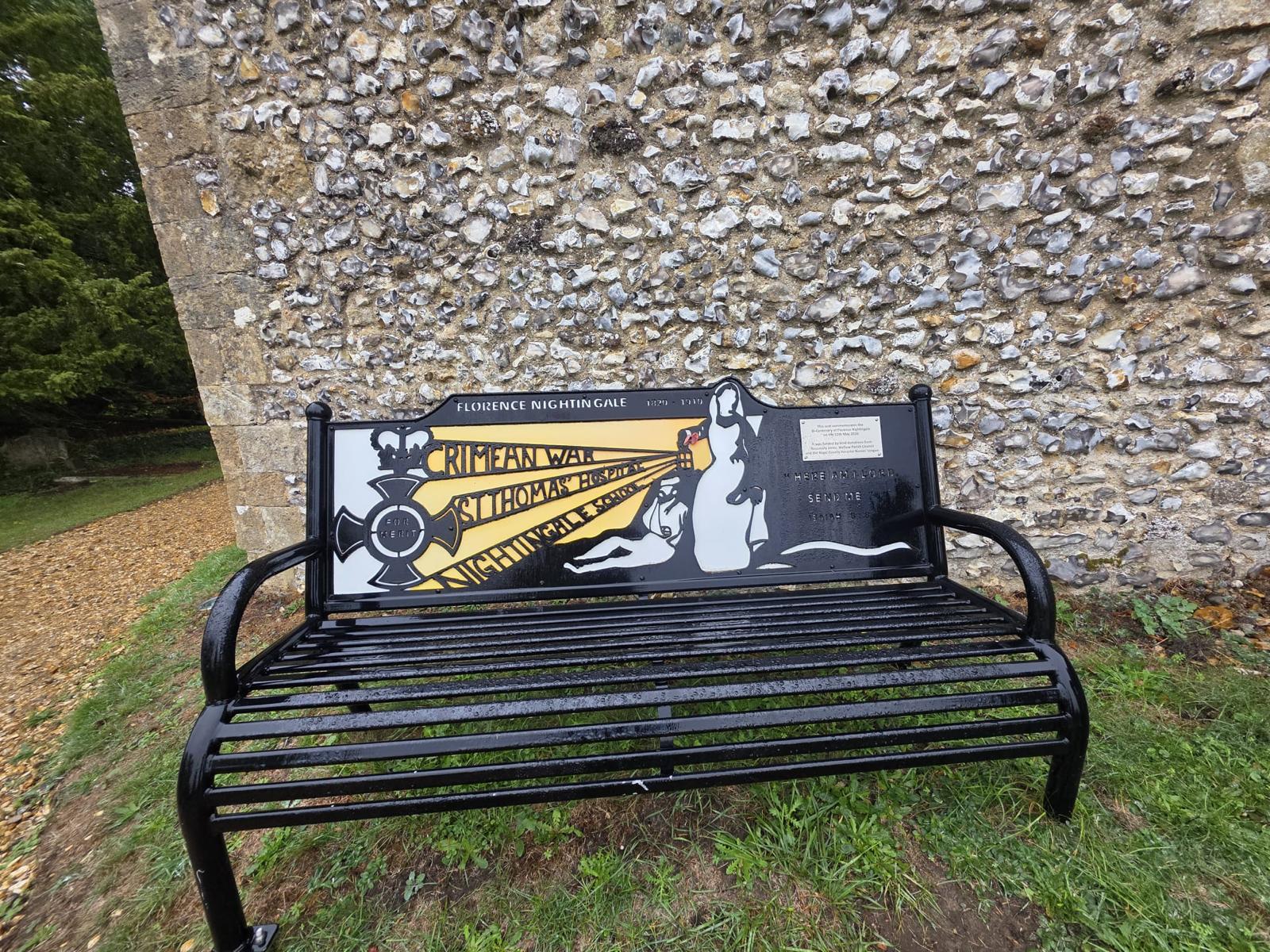
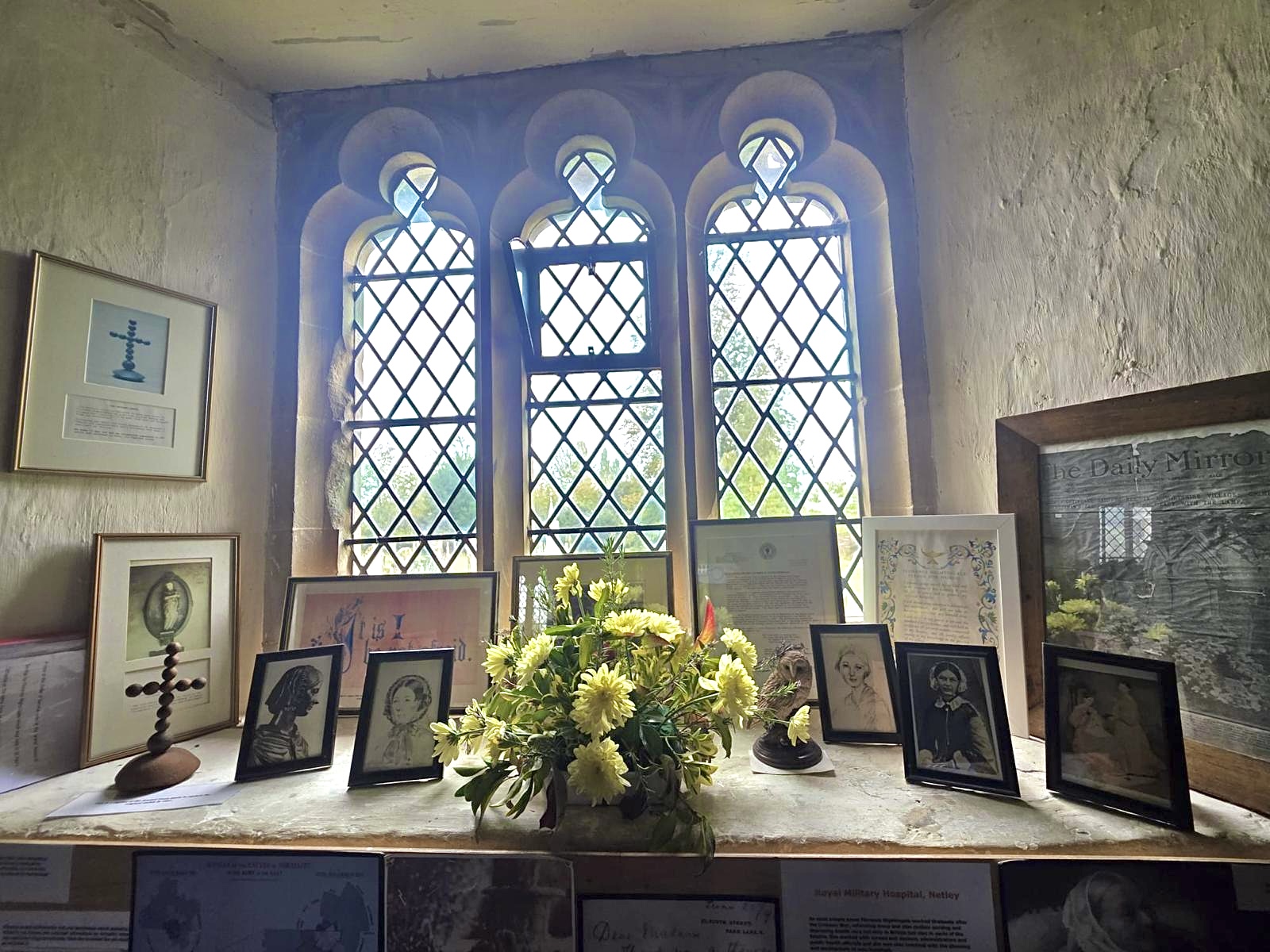
From Mr. Ersin Sirer’s collection.
The Nightingale Values in Our Care Today
Florence Nightingale Hospitals takes inspiration from her commitment to compassionate care, learning and continual improvement. Her work in Istanbul is part of the historical heritage behind our name. Explore the hospital group’s story on the Our History page.
Sources and Further Reading
- National Army Museum — The Lady with the Lamp
- Florence Nightingale Museum — Biography
- King’s College London — Nursing Faculty History
- Royal Statistical Society — Our History
- Wellcome Collection — Notes on Nursing (1859)
- International Council of Nurses — International Nurses Day
- Historic England — Nightingale Family Monument