

Endometriosis and IVF: When Should Surgery Be Considered First?
Surgery is not routinely recommended before IVF solely to improve live birth rates. This article explains when pain, difficulty accessing follicles or deep endometriosis may prompt consideration of surgery, while weighing ovarian reserve, age, previous operations and patient preferences.
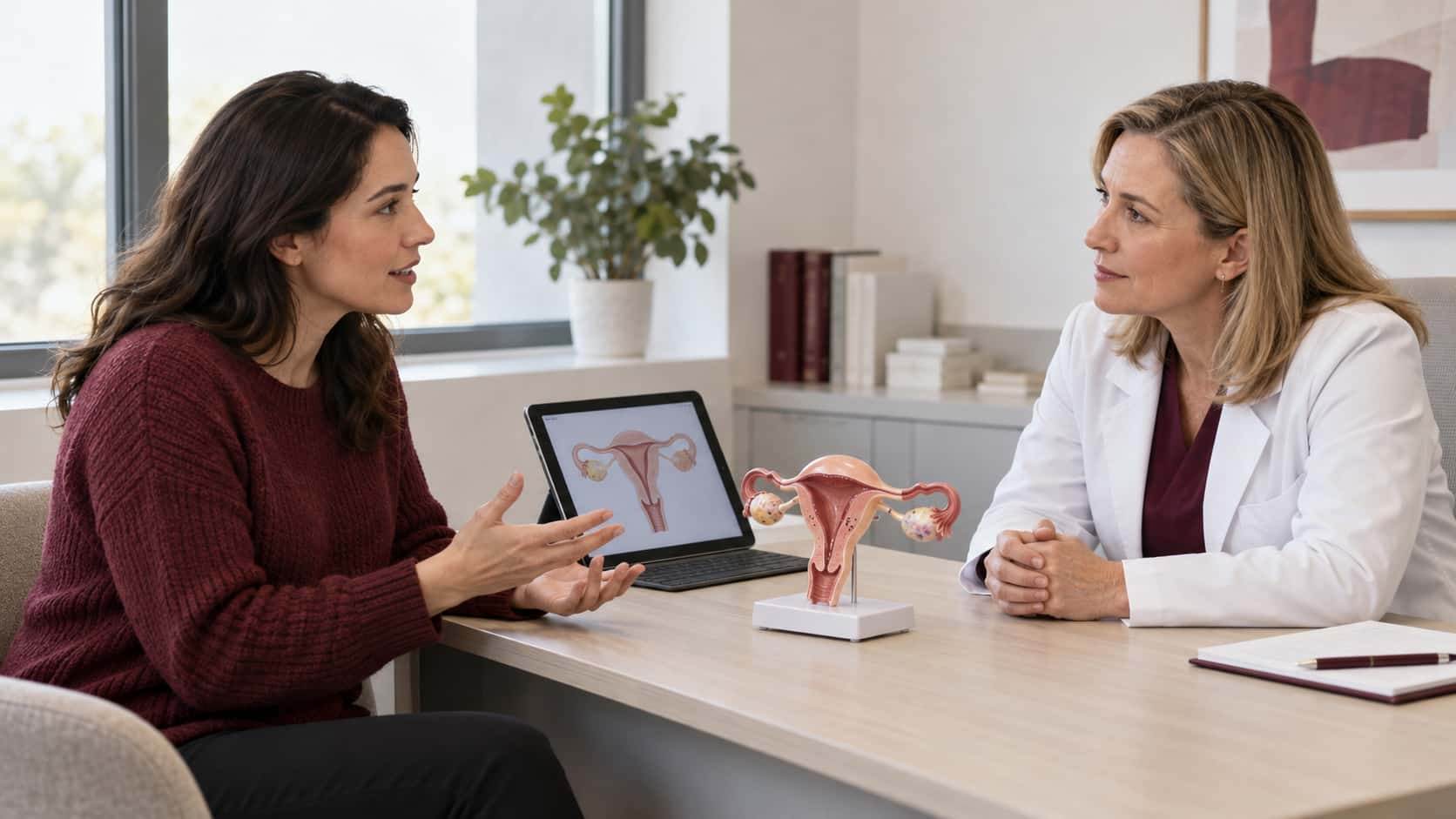
Planning fertility treatment with endometriosis can bring a difficult decision: whether to start IVF or have an operation first. Surgery may help address pain or specific anatomical problems, but it is not an automatic requirement for fertility treatment. The right sequence depends on what an operation is expected to achieve and how it could affect your reproductive options.
When considering endometriosis surgery before IVF, your fertility specialist and surgeon should assess symptoms, ultrasound findings, ovarian reserve and previous treatment together. An operation intended to relieve severe pain has a different purpose from one proposed solely to improve pregnancy chances. Understanding that distinction helps you weigh potential benefits against surgical risks and treatment delays.
Does Endometriosis Surgery Before IVF Improve Live Birth Rates?
An operation does not reliably improve IVF outcomes simply because endometriosis is present. Routine surgery is not recommended solely to increase live birth rates in patients with minimal or mild disease. Likewise, removing an ovarian endometrioma, a cyst associated with endometriosis, before assisted reproduction has not shown a clear live birth benefit and can reduce ovarian reserve.
Surgery may improve the chance of conceiving naturally in selected circumstances, but that evidence should not be interpreted as proof of better IVF results. For deep endometriosis, the reproductive benefit of operating before IVF remains uncertain. A recommendation should therefore explain the specific reason for surgery rather than promise a higher chance of having a baby.
When Should Surgery Be Considered Before IVF?
Surgery becomes more relevant when there is a problem that fertility treatment alone will not address. Persistent pain, concern about the nature of an ovarian cyst or disease affecting nearby organs may change the order of treatment. Assessment usually involves reviewing symptoms and imaging, with specialist input where bowel or urinary tract involvement is suspected.
The discussion should also cover alternatives, possible complications and the effect of postponing fertility treatment. The stage of endometriosis alone cannot answer whether an operation should come first. Your priorities matter too, including how much symptoms affect daily life and whether your immediate goal is pregnancy, symptom relief or both.
When Can Severe Endometriosis Pain or Organ Involvement Favor Surgery First?
Pain that substantially limits work, sleep or everyday activities may make surgery worth considering before fertility treatment, particularly when other suitable approaches have not provided enough relief. Deep disease involving the bowel, bladder or ureters requires specialist assessment. Organ involvement does not automatically mean an operation is necessary, but obstruction or threatened organ function can change the urgency. The team should explain the expected symptom benefit, surgical complexity and implications for fertility.
Should An Endometrioma Be Removed If It Makes Egg Retrieval Difficult?
An endometrioma may occasionally prevent safe access to follicles during egg collection. In that situation, endometrioma removal before IVF may be considered for a practical reason rather than to improve embryo quality. The decision depends on the cyst’s position, appearance, symptoms and the accessibility of each ovary. Size alone does not establish a universal need for surgery, and the potential loss of ovarian reserve must remain part of the discussion.
How Can Endometrioma Surgery Affect Ovarian Reserve?
Ovarian reserve describes the remaining supply of eggs. Removing an endometrioma can affect surrounding ovarian tissue and may reduce this reserve. Studies measuring anti-Müllerian hormone, or AMH, have documented decreases after cyst removal, with particular concern when both ovaries are involved. The extent of change varies, so an average result from a study cannot predict an individual patient’s outcome.
Before agreeing to an operation, ask how the surgeon plans to limit damage to healthy tissue and whether different techniques are appropriate. Baseline reserve testing can support this conversation. Preserving ovarian tissue is especially relevant when reserve is already reduced or another ovarian operation has previously been performed. Careful surgical technique can reduce risk, but it cannot guarantee that ovarian function will remain unchanged.
How Do Age, AMH and Previous Surgery Influence Whether to Try IVF First?
Age helps the team assess reproductive prospects and the implications of delaying treatment. AMH and antral follicle count, measured by ultrasound, mainly help estimate how the ovaries may respond to stimulation and how many eggs might be retrieved. These tests do not directly measure egg quality, and a low AMH result does not mean pregnancy is impossible.
When age or reduced reserve makes time particularly relevant, the team may discuss proceeding to egg collection before a nonessential operation. Previous surgical reports also matter: they can show which ovary was treated and how extensive the procedure was. Your clinician should interpret these findings alongside pain, imaging, previous stimulation responses and other fertility factors, rather than allowing a single test result to determine the plan.
Should Egg or Embryo Freezing Be Considered Before Endometriosis Surgery?
Freezing eggs or embryos may be worth discussing before an operation that could affect ovarian function, particularly when both ovaries are involved or repeat surgery is being considered. Collecting eggs beforehand can preserve reproductive material before further ovarian surgery. Observational research supports discussing this sequence, although it does not establish that every patient with endometriosis benefits from fertility preservation.
This approach still requires ovarian stimulation and a safe route for egg retrieval. It may be unsuitable if a medical problem needs prompt surgical treatment. Counseling should cover the expected egg yield, the possibility of needing more than one collection, costs and the differences between storing eggs and embryos. Neither option guarantees a future birth, so the potential benefit should be explained in relation to your circumstances.
How Is the Timing of IVF Decided After Endometriosis Surgery?
There is no single waiting period that suits every patient after an operation. Planning should reflect the extent of surgery, recovery, any complications and the reason IVF is needed. A limited ovarian procedure and extensive surgery involving the bowel or urinary tract can require different recovery plans. Your surgeon and fertility specialist should agree on when treatment can safely proceed.
It is useful to discuss that plan before surgery, including when follow-up will take place and which findings could change the schedule. The postoperative review can bring together the surgical report, any tissue analysis, symptoms and relevant fertility assessments. The aim is to allow appropriate healing while avoiding an unexplained delay, particularly when age or ovarian reserve makes the timing of egg collection important.
What Should You Ask Your Specialist Before Choosing Surgery or IVF First?
Begin by asking what specific problem the proposed operation is intended to solve. Clarify whether the expected benefit concerns pain, organ function, diagnosis or access for egg collection. Then ask how strong the evidence is that surgery would improve your fertility outcome, and what proceeding directly to IVF would mean in your particular situation.
You should also understand the potential effect on each ovary, the alternatives to surgery and whether collecting eggs beforehand is feasible. Ask how recovery could affect the treatment schedule and who will coordinate care between the surgical and fertility teams. Bringing previous operation reports, imaging and fertility results can help make the discussion more specific and give you a clearer basis for choosing the next step.