

Nuclear Medicine & Theranostics
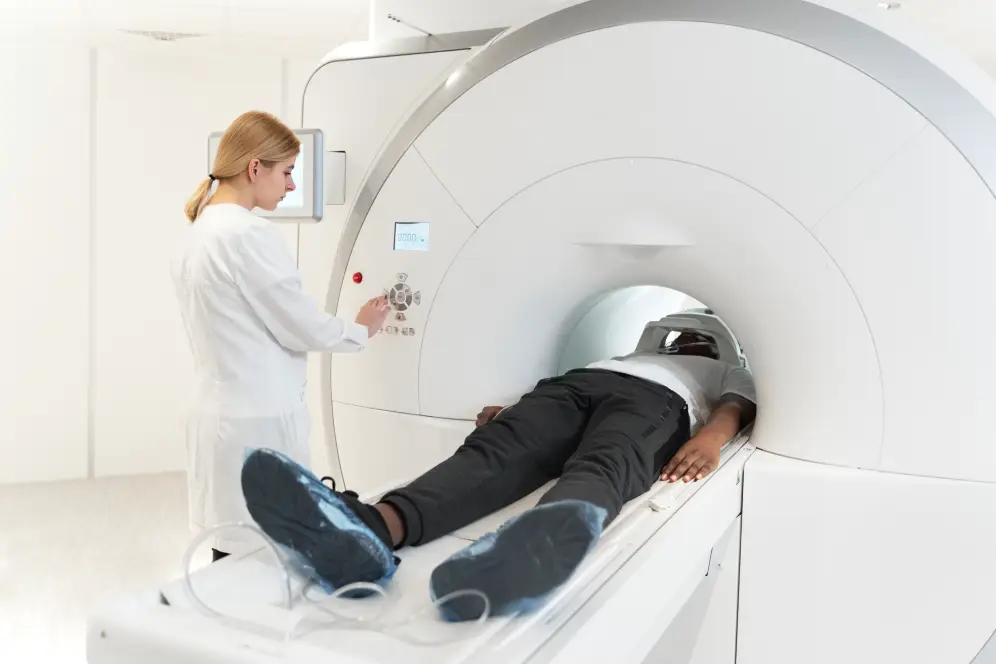
Nuclear Medicine uses tiny amounts of radioactive tracer to show how the body is working — not just how it looks. The same molecular approach underpins theranostics, where a matched radioactive therapy is delivered directly to tumor cells. The department covers PET-CT and PET-MRI, SPECT-CT and scintigraphy, and targeted treatments such as Lutetium-177 PSMA, PRRT, radioactive iodine and Radium-223.
Medically reviewed by the Florence Healthcare medical team · Last reviewed June 2026
One coordinated team, one plan for your care
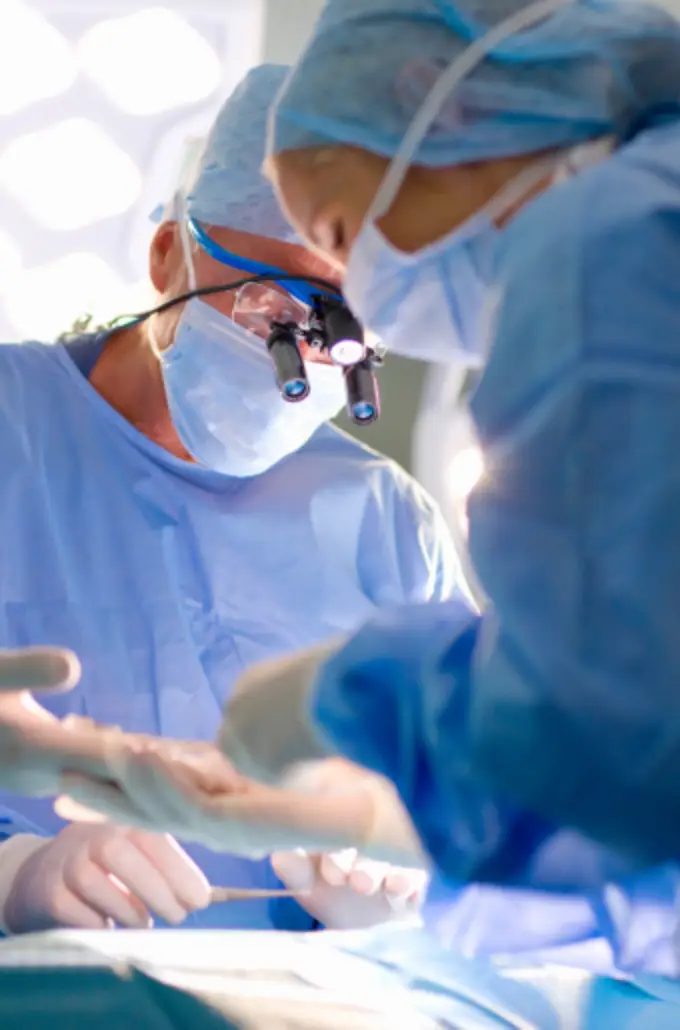
Nuclear-medicine physicians read functional and molecular scans — PET-CT, PET-MRI, SPECT-CT and scintigraphy — that reveal disease activity, stage cancer and show whether treatment is working, often earlier than anatomical imaging alone. Working alongside oncology, urology and endocrinology, the same team delivers theranostics: a diagnostic scan identifies a target, and a matched radioligand carries radiation directly to those cells while largely sparing healthy tissue — so finding and treating happen within one connected service.
International patients are supported throughout by a dedicated coordinator who arranges scans, any radiation-protection stay and aftercare around travel. Our specialists can review your PET, pathology and records remotely to confirm whether molecular imaging or radionuclide therapy is appropriate and give a second opinion before you travel, with a transparent, itemized cost estimate in advance.
Programs & sub-specialties
- PET-CT & PET-MRI molecular imaging
- SPECT-CT & scintigraphy
- Lutetium-177 PSMA therapy (prostate cancer)
- Lutetium-177 DOTATATE / PRRT (neuroendocrine tumors)
- Radioactive iodine (I-131) therapy
- Radium-223 for bone metastases
Why patients choose the Nuclear Medicine & Theranostics
Diagnosis and therapy together
The same molecular imaging that detects and stages disease guides targeted treatments such as Lutetium-177 and radioiodine, so finding and treating happen within one connected team.
Targeted radionuclide therapy
Theranostics delivers radiation from inside the tumor to PSMA- or receptor-positive cancer cells throughout the body, while limiting the dose to healthy tissue.
Built for international patients
A dedicated coordinator, care in your language, invitation letters for your visa, airport transfers and a transparent cost estimate before you travel.
Accredited quality & safety
Care delivered to internationally recognized JCI standards across our İstanbul hospitals, with outcomes tracked and reviewed.
Treatments & procedures we offer
Explore the procedures our team performs. Each has a clear, answer-first guide covering what it involves, recovery and a transparent cost estimate — select any treatment to learn more.
Conditions we treat
Explore related conditions- Prostate cancer
- Neuroendocrine tumors
- Thyroid disease
- Bone metastases
Understand your diagnosis
Plain-language, provider-reviewed articles on conditions, tests and procedures in our Health Library.
Molecular imaging and targeted therapy
Molecular scanners and a dedicated radionuclide-therapy service let our teams detect disease early and treat it from within.
- PET-CT and PET-MRI for molecular staging and treatment response
- SPECT-CT and scintigraphy for functional and metabolic studies
- Theranostics with Lutetium-177 PSMA and DOTATATE (PRRT)
- Radioactive iodine (I-131) therapy for thyroid disease
- Radium-223 for symptomatic bone metastases

Your journey, supported before, during and after
From your first message to your follow-up back home, a dedicated coordinator handles the details — so you can focus on your treatment, in your language.


Nuclear Medicine & Theranostics — frequently asked questions
Theranostics pairs a diagnostic scan with a matched targeted therapy. A radioactive molecule such as Lutetium-177 is delivered directly to specific tumor cells — for example in certain neuroendocrine or prostate cancers — to treat disease while sparing healthy tissue, always as part of a plan agreed with your oncology team.
CT and MRI show detailed anatomy — the structure of organs and tissues. A PET scan adds a molecular layer, highlighting how active a tissue is, which is especially useful for detecting and staging cancer and assessing how it responds to treatment. PET is often combined with CT or MRI in a single session.
Yes. Share your PET images, pathology and reports and our nuclear-medicine specialists can provide a second-opinion reading, advise whether molecular imaging or radionuclide therapy is appropriate, and provide a transparent cost estimate before you commit to travel.
Ready to plan your treatment?
Share your reports for a free, no-obligation second opinion and a transparent cost estimate — usually within 48 hours.
Accredited to Joint Commission International (JCI) standards
Quality and patient safety reviewed against the JCI 8th Edition — see our accreditations.