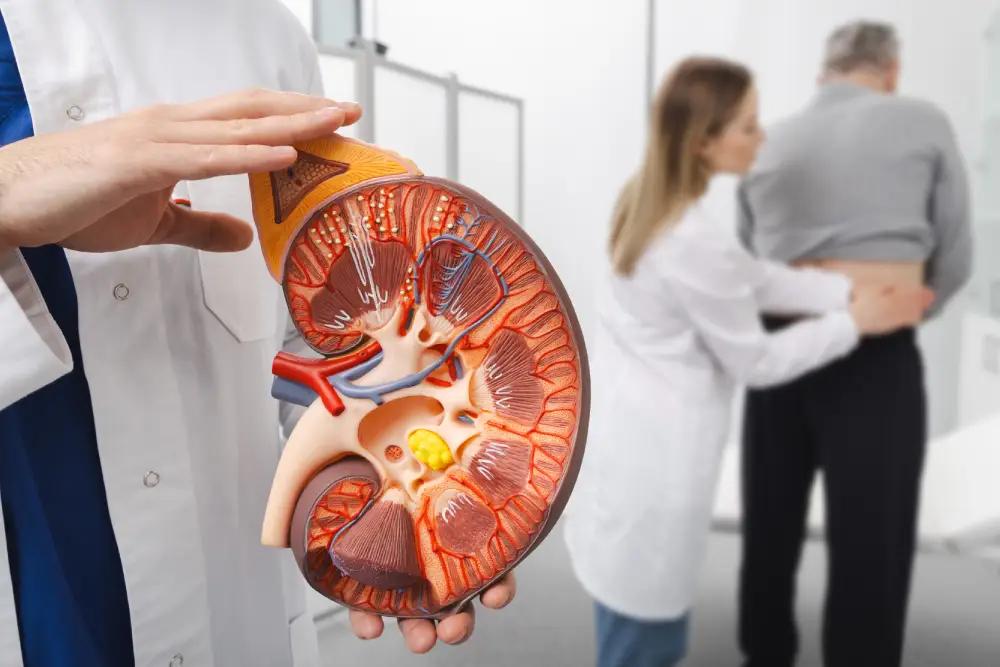



My Kidney Donor Isn’t a Match: What Are Our Options?
An incompatible donor does not always rule out a living donor transplant. Understand kidney exchange, compatibility testing and the alternatives to discuss with your transplant team.
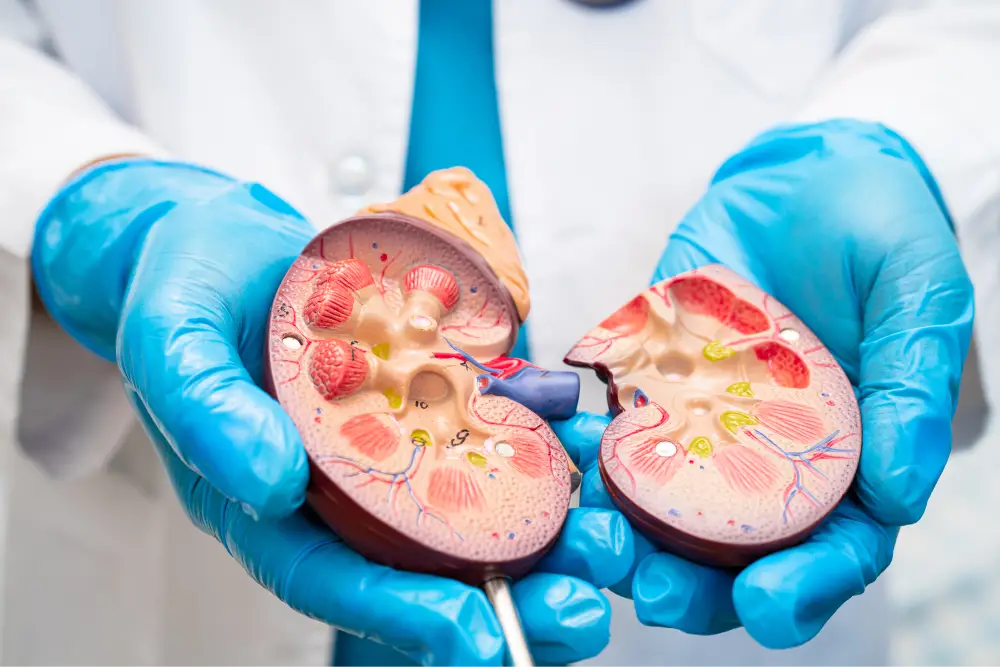
Finding out that your kidney donor is not a match can be upsetting, but it does not always end the possibility of a living donor transplant. The next step is to understand why direct donation is unsuitable and which alternatives your transplant team can safely consider.
Kidney paired donation, also called kidney exchange or cross-donation, is one possible route. Other options may include evaluating another donor or, for selected patients, treatment to manage incompatibility. Availability and suitability depend on your medical assessment and the transplant programme.
Why Might My Kidney Donor Not Be a Match?
Blood group compatibility, human leukocyte antigen (HLA) testing and antibodies all contribute to the assessment. ABO incompatibility means the donor's blood group is not ordinarily compatible with the recipient's. By contrast, a recipient can have antibodies directed against a donor's HLA even when their blood groups are compatible. Having different HLA types does not, by itself, automatically rule out donation.
For example, an O-group donor and an A-group recipient are generally ABO-compatible, although other test results may still prevent direct transplantation. A positive crossmatch can indicate antibodies that react against the donor's cells. Ask your team which finding is responsible for the incompatibility and how it affects the options they recommend.
What Are My Options If My Donor Is Not Compatible?
The choices should be compared for your circumstances, including immunological risk, donor safety and the likelihood of finding a suitable kidney. Depending on the programme and your eligibility, the team may discuss:
- Kidney paired donation: your donor donates to another suitable recipient, while you receive a compatible kidney from another donor.
- Another living donor: a different willing person undergoes their own independent medical assessment.
- Incompatibility management: selected recipients may be assessed for an ABO-incompatible or antibody-incompatible transplant with additional treatment and monitoring.
- A deceased donor transplant: eligible patients may be considered for the relevant waiting list under the applicable local rules.
These routes are not interchangeable or available to everyone. Incompatibility treatment can involve additional immunosuppression and rejection risk. Your team should explain the benefits, risks and practical availability of each route rather than promise a particular transplant or waiting time.
How Does Kidney Exchange Work Between Two Pairs?
Consider two pairs: the first has an A-group recipient and a B-group donor; the second has a B-group recipient and an A-group donor. The intended donations are ABO-incompatible. Exchanging the donors could create A-to-A and B-to-B matches, provided antibody testing, crossmatching and all other donor and recipient assessments are satisfactory.
Some programmes also coordinate larger exchanges or donation chains. A blood group match alone does not confirm that an exchange can proceed. Final testing, informed consent and the programme's medical and legal requirements must be completed before the operations are arranged.
What Tests Do the Donor and Recipient Need?
Blood typing establishes ABO compatibility. HLA typing and antibody testing help assess immunological risk, while crossmatching checks whether the recipient has antibodies that react against the proposed donor. Some tests need repeating as the evaluation progresses, particularly before transplantation. Your team should interpret the results together rather than rely on a single test.
The donor also needs a separate assessment of kidney function and overall health. Being compatible with a recipient does not establish that donation is safe. The recipient is assessed for transplant suitability, too. Previous reports may help the first review, but they do not replace any investigations required by the treating centre.
Who Can Take Part, and How Is the Donor Protected?
Paired donation is intended for medically suitable donor-recipient pairs who can participate under the programme's rules. A donor who is healthy enough to donate but incompatible with one recipient may be compatible with another. A person who cannot donate safely because of a health condition does not become eligible simply by entering an exchange.
Age is considered alongside health, kidney function and the centre's acceptance criteria; a universal upper age limit should not be assumed. Donation must be voluntary and informed. Potential donors should have an opportunity to discuss concerns privately and may withdraw before donation without pressure. Consent, confidentiality and follow-up arrangements should be explained to everyone involved.
What Happens If No Suitable Match Is Found?
Joining an exchange programme does not guarantee a match or a fixed waiting time. Blood group, antibody profile and the available donor pool can affect the chances of a suitable pairing. Some patients are more difficult to match than others, so an early discussion of alternatives is important.
Your transplant team can explain whether further matching attempts, assessment of another donor or a different transplant strategy is appropriate. Continue the kidney care and dialysis plan prescribed by your treating team while evaluation is ongoing. Ask when your health status and compatibility tests should be reassessed.
What Should Donors and Recipients Expect Around Surgery and Recovery?
Donor kidney removal and recipient transplantation are separate operations with different recovery needs. The timing and coordination of an exchange depend on the programme and type of exchange. Ask how the operations will be organised and what happens if a new medical finding prevents one of them from proceeding.
Operation length, hospital stay and readiness to travel should be discussed separately for the donor and recipient. Donors need recovery guidance and long-term health follow-up. Recipients require monitoring of the transplanted kidney and prescribed anti-rejection treatment. Return to work, exercise and flying depend on individual progress and clearance from the treating team.
What Should International Patients Prepare Before an Evaluation?
Before booking travel, ask the centre which medical records and eligibility documents it requires from both you and your potential donor. Useful records for an initial discussion may include the cause of kidney failure, dialysis history, previous transplant information, current medicines and any existing blood group, HLA, antibody or crossmatch results. The centre should confirm the actual checklist.
Discuss whether your circumstances can be assessed remotely, what further testing is needed and how follow-up will be arranged after you return home. Country-specific programme access, donor relationship requirements and other legal or ethical checks must be confirmed individually. A preliminary report review does not establish acceptance into an exchange programme or guarantee a transplant.
What Should I Ask My Transplant Team Next?
Ask which incompatibility was found, whether your donor is medically suitable to donate, which alternatives are available to you and what the next assessment involves. Clarify the uncertainties around matching, the risks of additional treatment and what support is available if your preferred route cannot proceed.
For an overview of assessment and treatment, see our kidney transplant information. You can also request a medical second opinion to discuss your records and the questions to take to a transplant specialist. Decisions about donation and transplantation require an individual clinical assessment.
Sources and Further Reading
Patient information and clinical guidance: National Kidney Foundation: compatibility testing; NHS Blood and Transplant: living donor options and assessment; KDIGO: evaluation and care of living kidney donors.