Atrophic Pancreas: Symptoms, Causes, and Treatments
The pancreas is a crucial organ that plays a pivotal role in digestion and blood sugar regulation. When it undergoes shrinkage or degeneration, a condition known as atrophic pancreas may develop. This medical condition can lead to severe digestive issues and complications in gluc
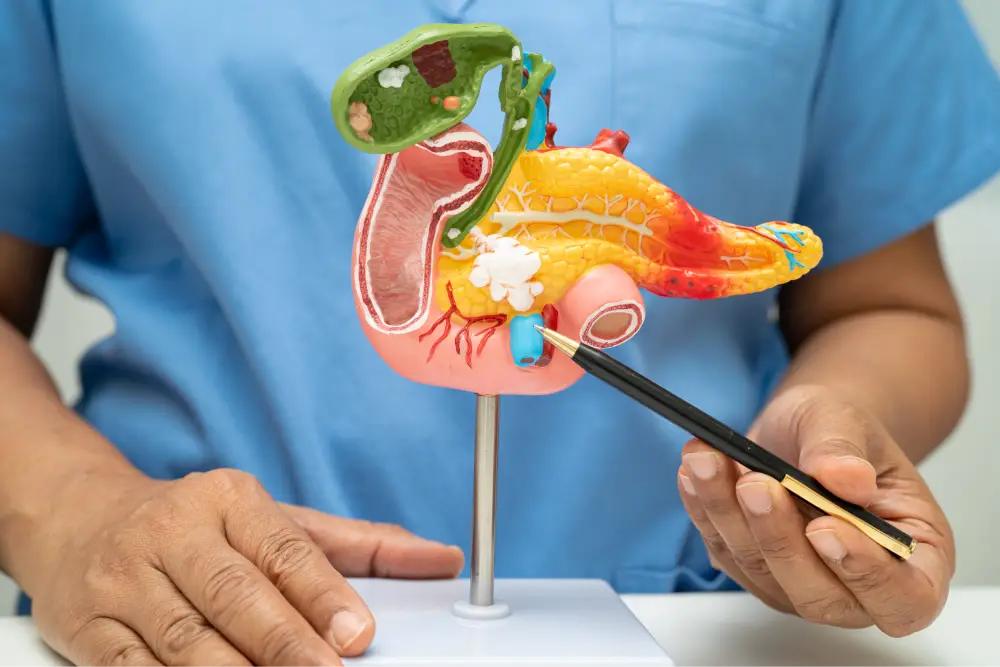
The pancreas is a crucial organ that plays a pivotal role in digestion and blood sugar regulation. When it undergoes shrinkage or degeneration, a condition known as atrophic pancreas may develop. This medical condition can lead to severe digestive issues and complications in glucose metabolism. Understanding the underlying causes, symptoms, and treatment options can help manage the condition effectively.
---
What is an Atrophic Pancreas?
An atrophic pancreas refers to the shrinking or thinning of pancreatic tissue, often resulting from chronic inflammation or other underlying health issues. Over time, this leads to impaired function, particularly in enzyme production essential for digestion and insulin regulation.
---
Symptoms of Atrophic Pancreas
Recognizing the signs of an atrophic pancreas is critical for early diagnosis and treatment. Symptoms may range from mild to severe and often mimic other gastrointestinal conditions.
- Digestive Issues: Chronic diarrhea or greasy stools (steatorrhea) Bloating and abdominal discomfort Poor appetite and weight loss
- Chronic diarrhea or greasy stools (steatorrhea)
- Bloating and abdominal discomfort
- Poor appetite and weight loss
- Nutrient Deficiency: Fat-soluble vitamin deficiencies (A, D, E, K) Malabsorption leading to muscle weakness
- Fat-soluble vitamin deficiencies (A, D, E, K)
- Malabsorption leading to muscle weakness
- Blood Sugar Irregularities: High blood sugar levels (due to reduced insulin production) Symptoms resembling type 1 or type 2 diabetes
- High blood sugar levels (due to reduced insulin production)
- Symptoms resembling type 1 or type 2 diabetes
---
Common Causes of Atrophic Pancreas
Atrophic pancreas typically results from prolonged inflammation or damage to the pancreas. Some common causes include:
- Chronic Pancreatitis: Long-term inflammation leading to scarring and shrinkage
- Long-term inflammation leading to scarring and shrinkage
- Autoimmune Disorders: Autoimmune pancreatitis (AIP) where the body attacks its own tissues
- Autoimmune pancreatitis (AIP) where the body attacks its own tissues
- Alcohol Abuse: Chronic alcohol consumption damaging pancreatic cells
- Chronic alcohol consumption damaging pancreatic cells
- Cystic Fibrosis: Genetic condition causing thick mucus that blocks pancreatic ducts
- Genetic condition causing thick mucus that blocks pancreatic ducts
- Aging: Natural atrophy can occur with age in some individuals
- Natural atrophy can occur with age in some individuals
---
Risk Factors for Developing Atrophic Pancreas
Certain factors may increase the likelihood of developing this condition:
- Family history of pancreatic diseases
- Prolonged alcohol use
- Gallbladder disease or gallstones
- Smoking, which exacerbates inflammation
---
How is Atrophic Pancreas Diagnosed?
Early diagnosis is essential to prevent complications. Doctors use several diagnostic tools to confirm atrophy in the pancreas:
- Imaging Tests: Ultrasound: Initial screening to detect structural changes CT Scan or MRI: Provides detailed images of the pancreas Endoscopic Ultrasound (EUS): Offers close-up imaging for accurate diagnosis
- Ultrasound: Initial screening to detect structural changes
- CT Scan or MRI: Provides detailed images of the pancreas
- Endoscopic Ultrasound (EUS): Offers close-up imaging for accurate diagnosis
- Blood Tests: Checks for low levels of pancreatic enzymes (lipase, amylase) Blood glucose tests to monitor sugar regulation
- Checks for low levels of pancreatic enzymes (lipase, amylase)
- Blood glucose tests to monitor sugar regulation
- Fecal Fat Test: Assesses the amount of undigested fat in stools indicating malabsorption
- Assesses the amount of undigested fat in stools indicating malabsorption
---
Atrophic Pancreas vs. Chronic Pancreatitis
These conditions share overlapping symptoms but differ in pathology:
FeatureAtrophic PancreasChronic PancreatitisCauseTissue degenerationLong-term inflammationSymptomsMalabsorption, diabetesPain, digestive issuesProgressionGradual tissue shrinkageRecurrent inflammation episodesTreatment FocusEnzyme replacement, glucose controlPain relief, lifestyle changes
---
Complications of Atrophic Pancreas
Without proper treatment, the atrophic pancreas can lead to severe health issues:
- Pancreatic Insufficiency: Inability to digest fats and proteins
- Inability to digest fats and proteins
- Type 3c Diabetes (Pancreatogenic Diabetes): Secondary diabetes due to pancreatic damage
- Secondary diabetes due to pancreatic damage
- Increased Risk of Pancreatic Cancer: Chronic inflammation may predispose individuals to malignancy
- Chronic inflammation may predispose individuals to malignancy
---
Treatment Options for Atrophic Pancreas
Effective management focuses on relieving symptoms and improving quality of life.
- Pancreatic Enzyme Replacement Therapy (PERT): Helps with digestion and nutrient absorption
- Helps with digestion and nutrient absorption
- Dietary Adjustments: Low-fat diet to reduce steatorrhea High-protein and vitamin-rich foods
- Low-fat diet to reduce steatorrhea
- High-protein and vitamin-rich foods
- Blood Sugar Management: Insulin therapy or oral hypoglycemics for glucose control
- Insulin therapy or oral hypoglycemics for glucose control
- Lifestyle Changes: Quit smoking and limit alcohol consumption
- Quit smoking and limit alcohol consumption
---
Diet for Atrophic Pancreas
Nutrition plays a key role in managing symptoms. Some dietary recommendations include:
- Increase: Lean proteins, fruits, and vegetables Medium-chain triglycerides (MCTs) for better fat absorption
- Lean proteins, fruits, and vegetables
- Medium-chain triglycerides (MCTs) for better fat absorption
- Avoid: High-fat and fried foods Alcohol and sugary beverages
- High-fat and fried foods
- Alcohol and sugary beverages
---
Preventing Atrophic Pancreas
While not all cases are preventable, some lifestyle changes may reduce the risk:
- Limiting alcohol consumption
- Avoiding smoking
- Regular monitoring if you have risk factors
- Early treatment of pancreatitis or gallbladder issues
---
Living with Atrophic Pancreas
Managing a chronic condition can be challenging, but with proper care, individuals can lead a relatively normal life. Support groups, counseling, and a strong healthcare team can make a significant difference.
---
When to See a Doctor?
If you experience persistent digestive problems, unexplained weight loss, or signs of malabsorption, it is crucial to seek medical advice. Early diagnosis can help manage symptoms and prevent complications.
---
FAQs
What is an atrophic pancreas?
Atrophic pancreas refers to the shrinking or thinning of the pancreas, often leading to digestive issues and blood sugar irregularities.
Can atrophic pancreas cause diabetes?
Yes, it can lead to Type 3c diabetes (pancreatogenic diabetes) due to reduced insulin production.
What is the best treatment for atrophic pancreas?
Treatment focuses on enzyme replacement therapy, blood sugar control, and dietary adjustments.
Is atrophic pancreas reversible?
In most cases, the condition is irreversible, but symptoms can be managed with appropriate treatment.
What foods should I avoid with atrophic pancreas?
High-fat, fried foods, alcohol, and sugary beverages should be avoided to reduce symptoms.
Can stress worsen pancreatic conditions?
Yes, chronic stress can exacerbate inflammation and worsen pancreatic symptoms.