What is PGD?
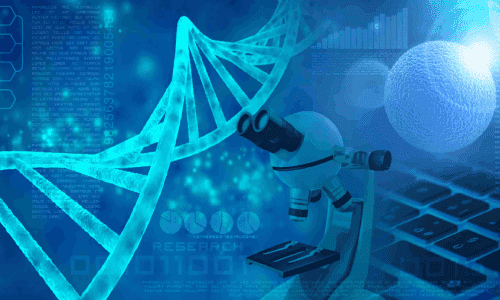
PGD is a sophisticated embryo-screening technique used alongside IVF. Before an embryo is transferred to the uterus, a few cells are tested for specific inherited conditions or chromosomal problems — a health check that lets the team select embryos free of the condition being screened for.
It is used when there is a known genetic risk; the related test PGT-A instead checks the overall number and structure of chromosomes to support IVF success.
What it can detect
Depending on the family's situation, PGD can screen for:
- Single-gene conditions such as cystic fibrosis, thalassaemia, sickle-cell anaemia, Huntington's disease and SMA
- Chromosomal abnormalities, including some structural changes
- Inherited cancer-risk genes such as BRCA1 and BRCA2
- Tissue (HLA) matching to help a sibling who needs a stem-cell transplant
How it works
After ovarian stimulation and egg collection, eggs are fertilised in the laboratory and the embryos develop in incubators. On day 3 or 5 a small sample of cells is taken from each embryo and analysed using techniques such as PCR or next-generation sequencing. Embryos confirmed to be healthy are then transferred.
Who it is for
PGD is recommended for couples with a known family history of a genetic disease, carriers of a genetic mutation, women of more advanced maternal age, and people who have had recurrent pregnancy loss or repeated unsuccessful IVF cycles.
Good to know
The genetic testing itself is done in the laboratory and is not painful; any discomfort relates to the IVF steps, such as egg collection under light sedation. The overall process can take from a few weeks to a few months. Most risks relate to the IVF treatment rather than PGD; your team explains these and supports you throughout.