What is multislice CT?
Multislice computed tomography (MSCT) uses X-rays and powerful computer processing to create cross-sectional images, or “slices”, of the body. Rather than one slice at a time, it acquires many simultaneously in a single rotation — cutting scan time and giving far more detail than older single-slice scanners.
Key features
- Very fast scanning — valuable in emergencies and for moving organs
- Highly detailed images that reveal subtle abnormalities
- Less motion blur, thanks to short scan times
- 3D reconstruction for a complete view of complex anatomy
What it is used for
CT supports many specialties: CT angiography images blood vessels for blockages; oncology uses it to detect and stage tumours and monitor treatment; it is essential in trauma to find fractures, internal bleeding or organ damage; and in neurology it helps identify stroke and aneurysms.
What to expect
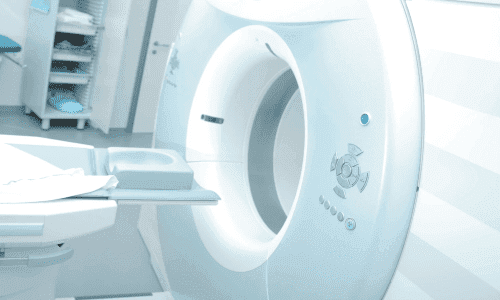
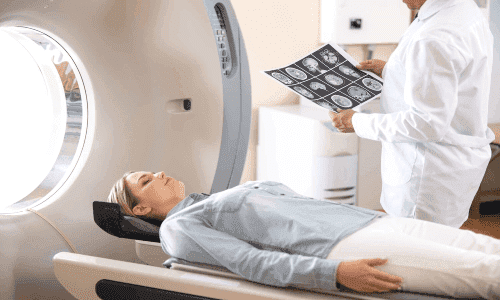
You lie on a table that moves gently into the ring-shaped scanner; for some chest or abdominal scans you may be asked to hold your breath briefly. The scan is painless and usually takes 10–30 minutes. If a contrast agent is used you may feel a brief sting at the injection site.
Good to know
CT uses a small amount of radiation, kept as low as possible by modern scanners. It is generally avoided in pregnancy, and contrast is used with care in people with severe contrast allergy or significant kidney problems. You can return to normal activity straight away; drinking water helps clear any contrast.