



Что такое генетическая диагностика?
Генетическая диагностика - это медицинская процедура, которая включает в себя выявление изменений в генах или хромосомах человека, которые могут быть ответственны за конкретное генетическое расстройство или предрасположенность к заболеванию. Этот процесс обычно включает в себя анализ ДНК человека, которая содержит
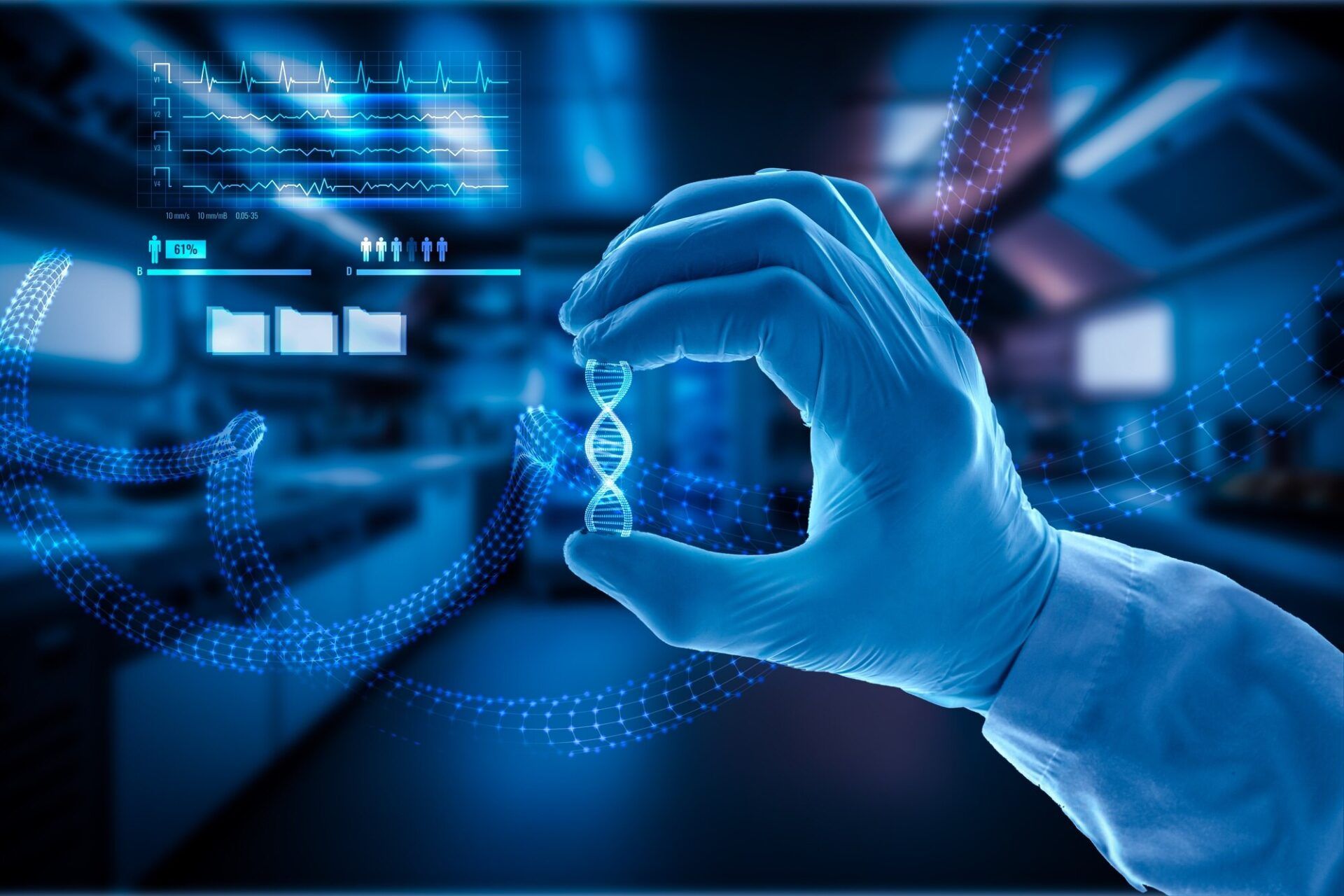
Genetic diagnosis is a medical procedure that involves identifying changes in an individual’s genes or chromosomes that may be responsible for a particular genetic disorder or predisposition to a disease. This process typically involves analyzing a person’s DNA, which contains the genetic instructions that determine various traits and functions within the body.
There are several techniques used in genetic diagnosis, including molecular genetic tests, chromosomal genetic tests, and biochemical genetic tests. Molecular genetic tests, such as DNA sequencing, analyze specific genes to identify mutations or variations that may be linked to a genetic condition. Chromosomal genetic tests examine the structure and number of chromosomes in a person’s cells to detect abnormalities that could lead to genetic disorders. Biochemical genetic tests assess the activity levels of proteins or enzymes in the body to diagnose metabolic disorders.
Генетическая диагностика играет решающую роль в выявлении генетических условий, прогнозировании риска развития определенных заболеваний, принятии решений о лечении и информировании о репродуктивном выборе. Это может помочь поставщикам медицинских услуг адаптировать планы медицинского управления для отдельных пациентов на основе их генетического состава, что приведет к более персонализированному и эффективному уходу.
Advances in genetic testing technologies have made genetic diagnosis more accessible and accurate than ever before. Next-generation sequencing techniques, for example, allow for rapid and cost-effective analysis of large portions of an individual’s genome, enabling the detection of a wide range of genetic variations. Additionally, the use of genetic databases and bioinformatics tools has facilitated the interpretation of genetic test results and the identification of novel disease-causing genes.
In conclusion, genetic diagnosis is a valuable tool in modern medicine that enables healthcare providers to identify genetic disorders, assess disease risk, and customize treatment strategies based on an individual’s genetic profile. Continued research and technological advancements in the field of genetics will further enhance our ability to diagnose and manage genetic conditions, ultimately improving patient outcomes and quality of care.