
How to Know If You Need a Hearing Aid or a Cochlear Implant
Learn how hearing tests, speech understanding and hearing aid benefit help specialists assess whether hearing aids or a cochlear implant may suit your needs.
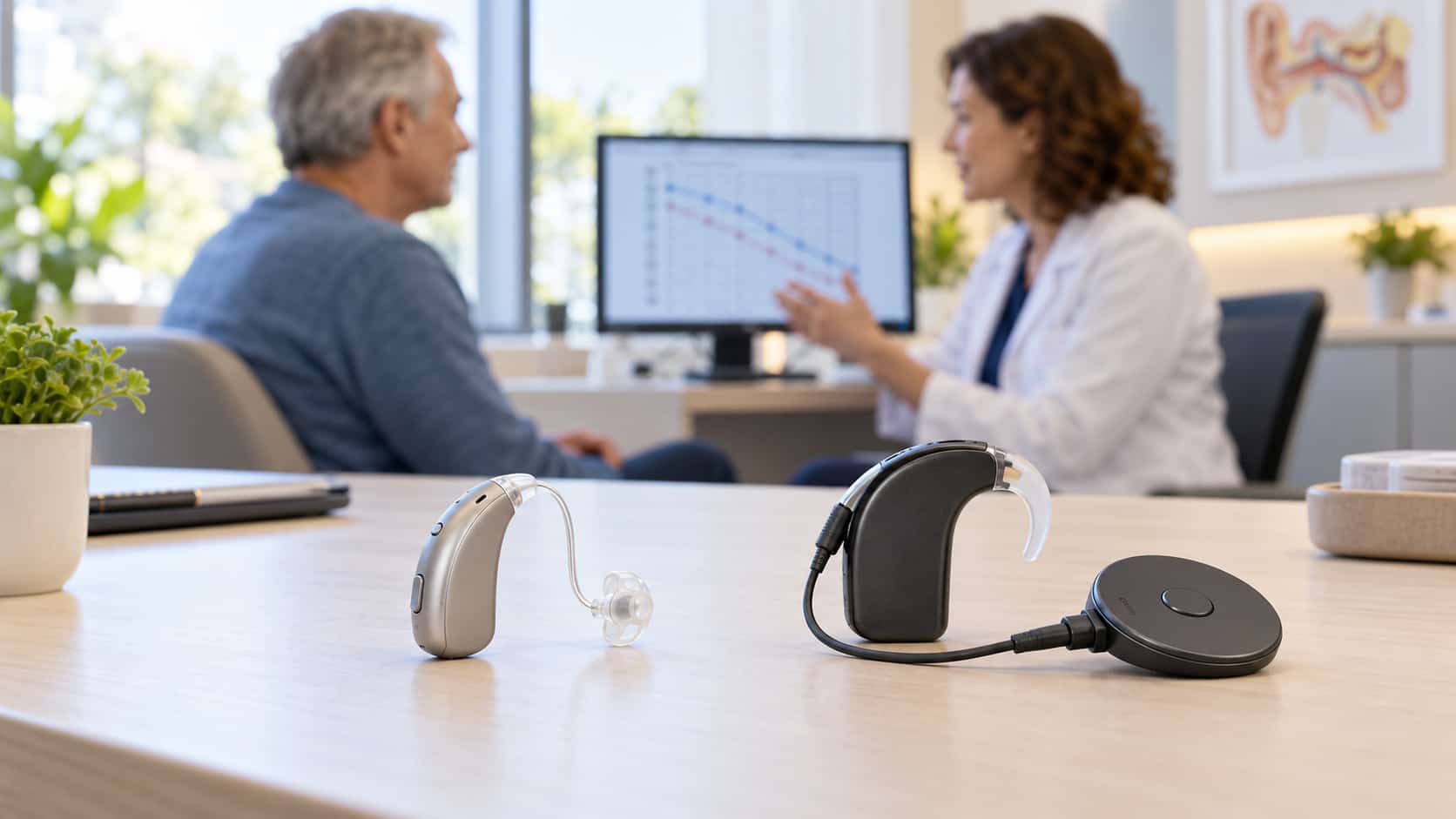
Missing words in conversations can be frustrating, especially when turning up the volume makes speech louder without making it clearer. Choosing a hearing aid or cochlear implant depends on the type of hearing loss, how well you understand speech and what appropriately fitted hearing aids help you hear. Everyday difficulties are a reason to seek professional advice, but they cannot determine which device you need.
A comprehensive hearing assessment gives an audiologist and, when appropriate, an ear, nose and throat specialist the information needed to discuss suitable options. Your communication goals also matter, whether you want to follow meetings, speak with family or manage telephone calls more comfortably. The decision should connect test results with the situations that affect your daily life.
What Signs Suggest You Need a Professional Hearing Assessment?
Frequently asking people to repeat themselves, struggling to follow group conversations or needing a higher television volume can indicate a hearing difficulty. You might hear someone speaking but miss important words, particularly in background noise. These changes deserve attention even if you still hear other sounds clearly. Noticing whether difficulties affect one ear, both ears or particular situations helps you describe them at an appointment.
An examination can identify problems such as earwax blockage or middle ear conditions that may need treatment before a device is considered. A sudden drop in hearing, developing at once or over a few days, requires immediate medical attention. Do not assume it is wax or wait for a routine hearing aid appointment, because delaying assessment can reduce the effectiveness of treatment.
How Do Hearing Aids and Cochlear Implants Differ?
Hearing aids process and amplify sound, using the ear's remaining hearing ability to make sounds more accessible. They are usually worn inside or behind the ear and can be adjusted to your hearing profile. A cochlear implant uses an external sound processor and a surgically implanted component to deliver electrical stimulation to the auditory nerve, bypassing damaged sensory cells in the inner ear.
The The The The The The hearing aid vs cochlear implant comparison therefore involves different ways of providing access to sound. Neither option restores normal hearing, and results vary between individuals. An implant also involves surgery, device programming and rehabilitation to help the brain interpret its signals. Some people use an implant in one ear and a hearing aid in the other, depending on their hearing and clinical recommendations.
Which Hearing Tests Help Determine the Right Option?
Assessment usually combines a discussion of your symptoms and medical history with an ear examination and hearing tests. An audiologist measures hearing in each ear and evaluates speech understanding. Middle ear testing may also be appropriate. Together, these findings help establish the nature of the hearing difficulty and whether further medical investigation is needed before a device recommendation can be made.
If you already wear hearing aids, bring them to the appointment along with previous test results when available. Your specialist needs to understand how you perform both with and without amplification. Describe situations where communication remains difficult, because a quiet testing room cannot reproduce every listening challenge. Speech testing should also take account of your primary language so that language differences do not distort interpretation.
What Does an Audiogram Reveal About Your Hearing Loss?
An audiogram charts the quietest sounds you can detect at different pitches in each ear. Comparing air and bone conduction results helps an audiologist distinguish between conductive, sensorineural and mixed hearing loss. The pattern guides treatment discussions and hearing aid fitting, but it does not fully describe speech understanding. Two people with similar audiograms may have different communication needs and different outcomes with amplification.
How Do Aided Speech Recognition Tests Assess Hearing Aid Benefit?
Aided speech recognition tests measure how accurately you identify words or sentences while wearing appropriately fitted hearing aids. Testing may include quiet and background noise, depending on the assessment protocol. This helps quantify hearing aid benefit beyond simply detecting sound. Persistently limited speech understanding can support referral for an implant assessment, although results must be interpreted alongside the full clinical evaluation.
When Is a Hearing Aid the Right Option for Your Hearing Loss?
A hearing aid may be suitable when amplification provides useful access to speech and other sounds. Hearing aids can support a wide range of hearing losses, including some severe losses, so the degree of loss alone does not settle the decision. Your audiologist considers the type of hearing loss, speech test results, ear health and the listening tasks that matter most to you.
Successful use also depends on an appropriate fitting, regular use and follow-up adjustments. Discuss comfort, sound quality and practical tasks such as inserting the device or changing its power source. A fitting and review process allows you to assess improvement in everyday settings. Continuing difficulty should prompt reassessment rather than an assumption that a more expensive device will necessarily provide clearer speech.
What Should Be Checked If Your Hearing Aids Are Not Helping?
Poor performance does not automatically mean you need an implant. An audiologist can check for earwax, blocked filters, damaged components, battery problems and an unsuitable physical fit. Updated hearing tests can show whether your hearing has changed. Real-ear measurements use a small microphone near the eardrum to check whether the sound delivered by your hearing aids matches appropriate fitting targets.
Settings, listening environments and the support you receive also deserve review. A remote microphone or communication strategies may help with particular situations, such as meetings or conversations at a distance. However, repeated adjustments should not indefinitely postpone specialist referral when properly fitted devices still provide limited speech understanding. Ask what has been checked, what improvement is realistic and when further assessment should be arranged.
When Should You Consider a Cochlear Implant Evaluation?
A cochlear implant evaluation may be appropriate when sensorineural hearing loss leaves you struggling to understand speech despite appropriately fitted hearing aids. You do not necessarily need to lose all hearing before seeking advice. Some people with remaining hearing or a substantial difference between their ears may also be considered. Eligibility depends on the individual findings and the criteria applied by the implant service.
The assessment typically combines detailed hearing and speech testing with a specialist medical review and, when required, imaging of the inner ear. The team discusses expected benefits, surgical risks and your ability to participate in follow-up care. Referral is an opportunity to explore suitability; it does not commit you to surgery. The recommendation should reflect your communication priorities, medical circumstances and informed preferences.
What Should You Ask Your Hearing Specialist Before Deciding?
Ask your specialist to explain what the tests show about each ear and why the proposed option is appropriate. Clarify which everyday improvements are realistic and which difficulties may remain, especially in noise. If hearing aids are recommended, discuss how their fitting will be verified and how progress will be reviewed. If an implant is considered, ask about surgical risks and possible changes to remaining natural hearing.
Discuss the practical commitment as well as the device itself. Implant care includes activation, programming appointments and listening rehabilitation, with progress varying between people. Ask about the likely appointment schedule, long-term support, maintenance and costs. Before leaving, agree on the next step and when the decision will be reviewed. A clear plan helps you understand both the potential benefits and the work involved in using your chosen option.