

Monkeypox Virus: An Emerging Global Health Threat
ما هو فيروس القرد؟ وقد برز فيروس قرد، وهو عضو في جماعة أورتوبوكسفيروس في أسرة بوكسفيريدا، بوصفه مرضاً بالغ الأهمية من الأمراض التي تثير قلقاً عالمياً. First identified in 1958 in a colony of research centurys in Copenhagen, Denmark, the virus did not make its huma
- ما هو فيروس القرد؟
- كيف يتم نقل فيروس بوكس؟
- ما هي أعراض فيروس (مبوكس)؟
- كيف يتم تشخيص (مبوكس)؟
- العلاج والإدارة
- كيف تحمي نفسك من قرد فيروس؟
- خاتمة
ما هو فيروس القرد؟
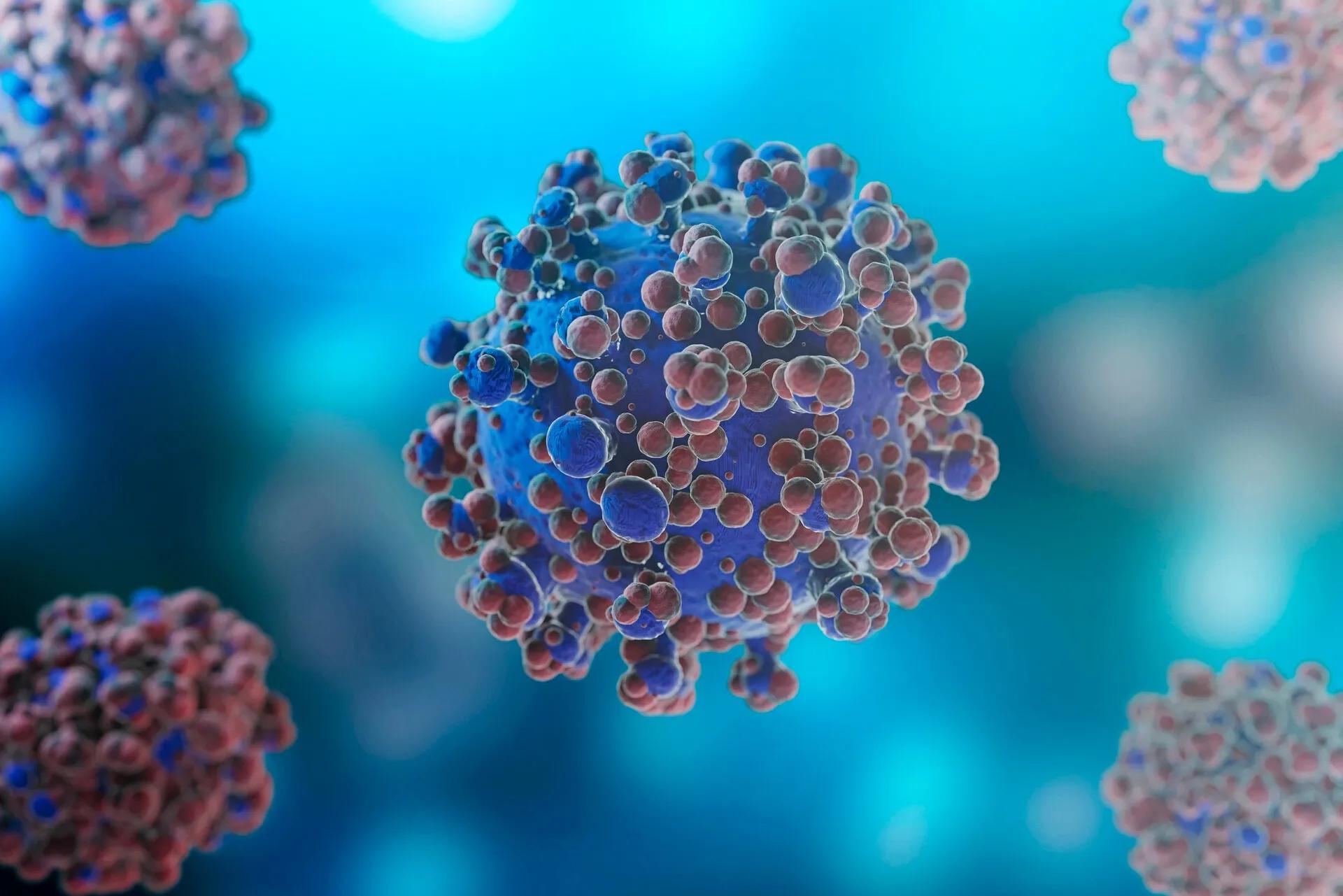
Monkeypox virus, a member of the Orthopoxvirus genus in the family Poxviridae, has emerged as a significant zoonotic disease of global concern. First identified in 1958 in a colony of research monkeys in Copenhagen, Denmark, the virus didn’t make its human debut until 1970 in Zaire (now the Democratic Republic of Congo). This initial human case marked the beginning of a new chapter in the study of poxviruses, especially in the post-smallpox eradication era.
The name “monkeypox” is somewhat of a misnomer, as the virus’s natural reservoir is believed to be rodents, not monkeys. The discovery in primates was incidental, highlighting the complex interplay between the virus and various mammalian hosts. Since its discovery, monkeypox has been reported in several African countries, with sporadic outbreaks occurring outside the continent, raising alarm about its potential for global spread.
كيف يتم نقل فيروس بوكس؟
ألف - نقل الحيوان إلى الإنسان: The primary mode of transmission to humans is through close contact with infectious animals, typically rodents or primates in endemic regions. ويمكن أن يحدث ذلك من خلال ما يلي:
- الاتصال المباشر بالسوائل الجسمانية أو آفات الحيوانات المصابه
- Indirect contact with contaminated materials (e.g., bedding used by contaminated animals).
- ابتلاع لحوم طاهية غير كافية من الحيوانات المصابة
The specific animal reservoir remains unclear, but African rodents, particularly rope squirrels (Funisciurus sp.), Gambian pouched rats (Cricetomys gambianus), and dormice (Graphiurus sp.), are suspected to play a significant role in maintaining the virus in nature.
B. Human-to-Human Transmission: وفي حين أنه أقل كفاءة من انتقال العدوى من الحيوانات إلى البشر، يمكن أن يحدث انتشار البشر من خلال ما يلي:
- مسقطات استطلاعية خلال اتصالات مطولة وجها لوجه.
- الاتصال المباشر بسوائل الجسم أو مواد السوائل.
- الاتصال غير المباشر بالمواد الملوثة مثل الملابس أو الفراش.
- إرسال شفهي من الأم إلى الجنين عبر المكان
The efficiency of human-to-human transmission appears to have increased in recent outbreaks, raising concerns about the virus’s adaptive potential.
ما هي أعراض فيروس (مبوكس)؟
ألف - الفترة الفاصلة: وتتراوح الفترة من العدوى إلى ظهور الأعراض عادة بين 5 أيام و 21 يوما، بمتوسط يتراوح بين 7 أيام و 14 يوما.
B. Symptoms and Signs: ويمكن تقسيم تطور المرض إلى مرحلتين رئيسيتين:
- فترة الغزو (0-5 أيام): Fever (often high, >38.5°C) الصداع الكثيف داء الليمفيدنوبل (تطوير اللمفاوي) الألم والعضلات الكثافة (عدة الطاقة)
- Fever (often high, >38.5°C)
- الصداع الكثيف
- داء الليمفيدنوبل (تطوير اللمفاوي)
- الألم والعضلات
- الكثافة (عدة الطاقة)
- فترة استنساخ الجلد (1-3 أيام بعد بدء الحمى): تنمية راش: تبدأ على الوجه وتمتد إلى أجزاء أخرى من الجسم تقدم الراشد: طوافات من المكورات إلى البوليس، الفيزيكات، البثور، وأخيرا إلى المحارم Lesions are typically umbilicated and progress through stages coincidehronly توزيع راش: التركيز على الوجه والنحاس والوحدات؛ ويمكن أن يؤثر على الفم والتناسلية والتواطؤ
- تنمية راش: تبدأ على الوجه وتمتد إلى أجزاء أخرى من الجسم
- تقدم الراشد: طوافات من المكورات إلى البوليس، الفيزيكات، البثور، وأخيرا إلى المحارم
- Lesions are typically umbilicated and progress through stages coincidehronly
- توزيع راش: التركيز على الوجه والنحاس والوحدات؛ ويمكن أن يؤثر على الفم والتناسلية والتواطؤ
The illness typically lasts for 2-4 weeks, with most cases resolve without complications. ومع ذلك، يمكن أن تحدث حالات خطيرة، لا سيما في الأطفال والحوامل أو الأفراد غير المؤمنين.
كيف يتم تشخيص (مبوكس)؟
ألف - التشخيص السريري: ويمكن أن يكون التشخيص السريري صعبا بسبب تشابه الأعراض مع الأمراض الجلدية الأخرى، ولا سيما:
- تشيكنبوكس (فيروس الفاريكيلا - زوستر)
- الجدري (بعد القضاء عليه)
- الحصبة
- أمراض الجلد البكتري
- Scabies
وتشمل السمات المميزة الرئيسية وجود عدم تعاطف في المراحل المبكرة والتقدم المتزامن للآفات الجلدية.
باء - الاختبار المختبري: التشخيص النهائي يتطلب تأكيد المختبر وتشمل الطرائق ما يلي:
- Polymerase Chain Reaction (PCR): معيار الذهب للتشخيص، الكشف عن الحمض النووي الفيروسي في العينات الخبيثة.
- Enzyme-Linked Immunosorbent Assay (ELISA): For detecting antibodies or antigens.
- Virus Isolation: Growing the virus in cell culture from lesion samples.
- Electron Microscopy: Can identify poxvirus particles but cannot distinguish between different poxviruses.
- Inmmunohistochemistry: For detecting viral antigens in tissue samples.
العلاج والإدارة
ألف - الرعاية الداعمة: The mainstay of treatment involves supportive measures:
- الحفاظ على التسخين الكافي
- إدارة الحمى والألم مع مضادات الأوبئة والمسكنات
- الوقاية من الأمراض البكتيرية الثانوية
- الدعم التغذوي
- معالجة المضاعفات إذا نشأت
B. Antiviral Medications: While no specific treatment for piratepox has been approved, several antiviral drugs developed for smallpox may be considered in severe cases.
كيف تحمي نفسك من قرد فيروس؟
ألف - التطعيم: وأظهرت لقاحات الجدرية حماية شاملة من شباك القرود:
- الجيل الأول (فيروس التطعيم العمري) اللقاحات: يقدر بنسبة 85 في المائة من الكفاءة ضد شحم القرود.
- الجيل الثاني من اللقاحات (مثلا، ACAM2000): كفاءة مماثلة للجيل الأول من اللقاحات، ولكن مع تحسين ملامح السلامة.
- Third-generation vaccines (e.g., MVA-BN, LC16): Non-replicating vaccines with even better safety profiles, approved for piratepox prevention in some countries.
وتشمل استراتيجيات التحصين ما يلي:
- الوقاية قبل التعرض للأفراد ذوي المخاطر العالية (مثل عمال المختبرات)
- الوقاية بعد التعرض من الحالات المؤكدة
باء - تدابير الصحة العامة: وتستند الرقابة الفعالة إلى مزيج من الاستراتيجيات:
- المراقبة وتحديد الحالات بسرعة
- تعقب الاتصالات ورصدها
- حل القضايا المؤكدة والمشتبه فيها
- تدابير مكافحة العدوى في أماكن الرعاية الصحية
- الاتصال بالمخاطر وإشراك المجتمعات المحلية
خاتمة
Monkeypox virus represents a complex challenge at the intersection of virology, ecology, and public health. Its emergence as a global health concern underscores the unpredictable nature of zoonotic diseases and the need for robust, collaborative approaches to disease surveillance and control. While the virus poses significant challenges, the scientific community’s rapid response and the lessons learned from managing previous poxvirus outbreaks provide a foundation for effective strategies. Continued research, international cooperation, and public health preparedness will be crucial in mitigating the impact of this reemerging disease and preventing future outbreaks.
يمكنك اتصل بنا حول فيروس القرد و أكثر