

كيف يقومون بزرع نخاع العظام؟
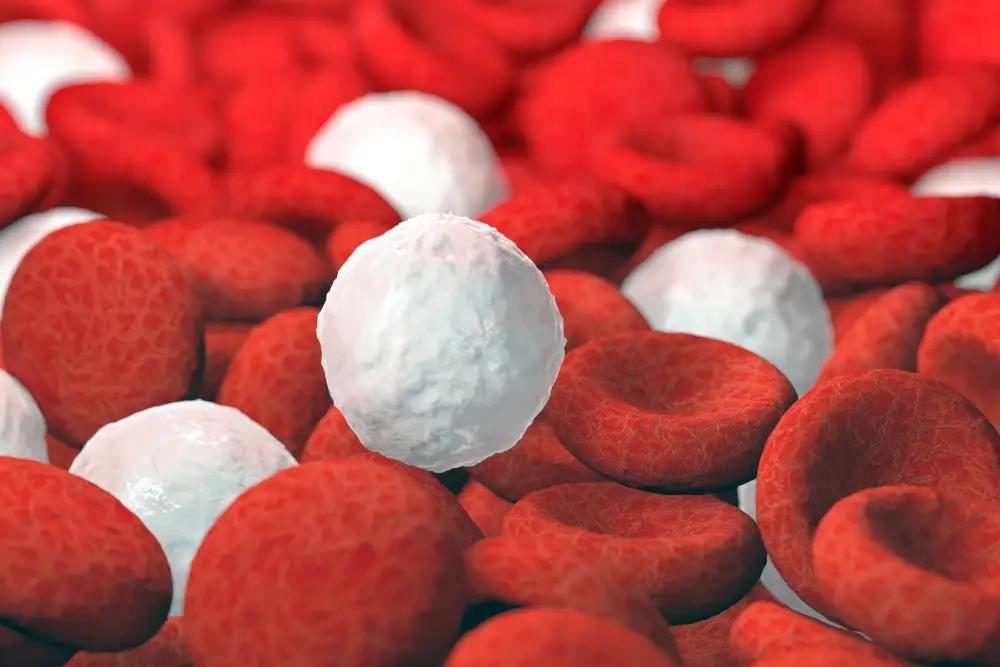
إن عملية زرع نخاع العظام، المعروفة أيضا بزرع الخلايا الجذعية البكمية، هي إجراء طبي معقد يستخدم لمعالجة مختلف الظروف، بما في ذلك أنواع معينة من السرطان، مثل سرطان الدم، واللمفاوية المتعددة، فضلا عن اضطرابات الدم الأخرى مثل الأنيميا العنيفة.
A زرع نخاع العظامكما يُعرف بزراعة الخلايا الجذعية البكمية، وهو إجراء طبي معقد يُستخدم لمعالجة مختلف الظروف، بما في ذلك أنواع معينة من السرطان، مثل سرطان الدم، واللمفاوي، وسرطانات متعددة، فضلاً عن اضطرابات دم أخرى مثل فقر الدم المعدني والأنيميا الخلوية المريضة. وتشمل عملية زرع نخاع العظام استبدال النخاع العظمي المدمر أو المدمر بالخلايا الجذعية الصحية. ويمكن أن تأتي هذه الخلايا الجذعية من المريض نفسه (الزراعة غير المتماثلة) أو من جهة مانحة (الزراعة الشاملة).
The first step in a bone marrow transplant is the evaluation of the patient to determine their eligibility for the procedure. This evaluation includes a series of tests to assess the patient’s overall health, the extent of their disease, and their ability to withstand the rigorous treatment regimen associated with a transplant. Once the patient is deemed a suitable candidate for a bone marrow transplant, the next step is to find a suitable donor if an allogeneic transplant is planned.
وبالنسبة لعملية زرع مسببة للمرض، عادة ما يكون المانح أحد أفراد الأسرة القريبة، مثل الأخ، الذي هو تطابق وراثي وثيق مع المتلقي. وإذا لم يكن المانحون الشقيقون المطابقون متاحاً، يمكن النظر في الجهات المانحة البديلة، بما في ذلك الجهات المانحة غير ذات الصلة التي تم تحديدها من خلال السجلات الوطنية أو الدولية. In cases where a matched donor cannot be found, umbilical cord blood may be used as a source of stem cells for the transplant.
Once a donor is identified, the next step is to collect the stem cells. This can be done through a process called apheresis, where the donor’s blood is drawn through a catheter, and the stem cells are separated from the rest of the blood components using a machine. The stem cells are then collected and stored until they are ready to be transplanted into the recipient.
وقبل عملية الزرع، يخضع المتلقي لعملية تسمى العلاج المكيّف، التي تنطوي على العلاج الكيماوي العالي الجرعة، وأحيانا العلاج الإشعاعي لتدمير النخاع العظمي المرضي وقمع النظام المناعي لمنع رفض خلايا المانحين. ويمكن أن يكون نظام التكييف هذا مكثفا وقد يكون له آثار جانبية هامة، بما في ذلك الغثيان، والقيء، وفقدان الشعر، وزيادة خطر الإصابة.
Once the conditioning therapy is completed, the stem cells are infused into the recipient’s bloodstream through a central venous catheter, similar to a blood transfusion. The stem cells then travel to the bone marrow, where they begin to grow and produce new blood cells. This process is known as engraftment and typically takes a few weeks to occur.
وأثناء مرحلة التعافي بعد عملية الزرع، يتم رصد المريض عن كثب لعلامات التعقيدات، مثل العدوى، ومرض الشرايين - الشبح في حالة زرع متجانس، وغير ذلك من الآثار الجانبية المحتملة للعلاج. وقد تكون الرعاية الداعمة، بما في ذلك المضادات الحيوية، والأدوية المضادة للفيروسات، ونقل الدم، ضرورية لمساعدة المريض خلال هذه الفترة الحرجة.
وبعد عملية زرع نخاع العظام، سيحتاج المريض إلى رعاية متابعة طويلة الأجل لرصد تقدمهم، وإدارة أي آثار متأخرة للعلاج، ودعم تعافيهم. This may include regular blood tests, imaging studies, and consultations with a multidisciplinary team of healthcare providers, including hematologists, oncologists, transplant specialists, and supportive care professionals.
In conclusion, a bone marrow transplant is a complex and potentially life-saving procedure that requires careful planning, coordination, and expertise from a team of healthcare professionals. From donor selection and stem cell collection to conditioning therapy and post-transplant care, each step of the process plays a crucial role in the success of the transplant and the patient’s overall outcome. While the procedure carries risks and challenges, advances in transplant technology and supportive care have improved outcomes for many patients undergoing this treatment. Further research and innovation in the field of bone marrow transplantation continue to enhance our understanding of the process and improve outcomes for patients in need of this life-saving therapy.